

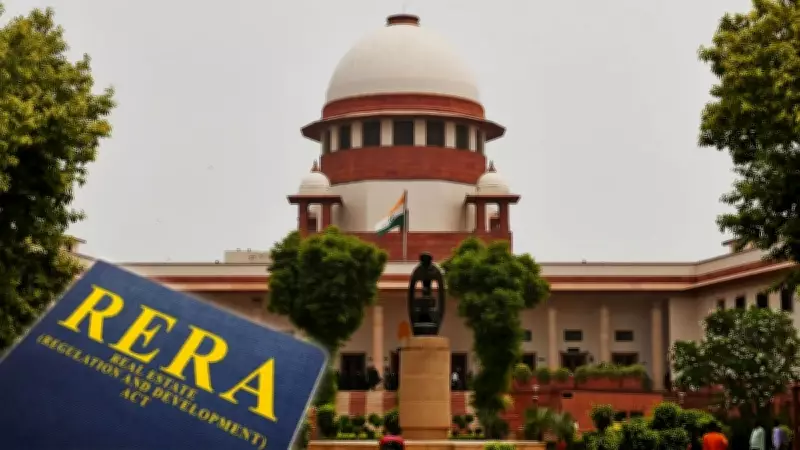
Supreme Court Delivers Scathing Critique of RERA, Proposes Abolition
In a landmark development, the Supreme Court of India has issued a severe criticism of the Real Estate Regulatory Authorities (RERA), suggesting that abolishing the regulatory framework might be a preferable alternative. The apex court's remarks highlight deep-seated concerns over the implementation and effectiveness of RERA in protecting the interests of homebuyers across the nation.
Court's Stance on RERA's Performance
The Supreme Court explicitly stated that RERA appears to be functioning in a manner that disproportionately benefits builders and developers, rather than serving its intended purpose of safeguarding homebuyers. This observation points to systemic flaws within the regulatory mechanism, which was established under the Real Estate (Regulation and Development) Act, 2016, to bring transparency and accountability to the real estate sector.
Key issues raised by the court include:

- Ineffective grievance redressal mechanisms for homebuyers.
- Delays in project completions and handovers without adequate penalties for builders.
- Lack of stringent enforcement of RERA provisions against non-compliant developers.
Implications for the Real Estate Industry
This judicial intervention could have far-reaching consequences for India's real estate market, which has long been plagued by issues such as project delays, fraudulent practices, and consumer grievances. The Supreme Court's suggestion to consider abolishing RERA underscores the urgency of reforming the regulatory landscape to ensure it aligns with its original objectives.
Experts note that while RERA was introduced as a progressive step, its execution has fallen short in many states, leading to widespread dissatisfaction among homebuyers. The court's remarks may prompt policymakers to revisit and strengthen the Act, potentially introducing amendments to enhance consumer protection and streamline regulatory processes.
Reactions and Future Outlook
Stakeholders in the real estate sector, including builders, homebuyers' associations, and legal experts, are closely monitoring the situation. The Supreme Court's comments are expected to ignite a broader debate on the efficacy of RERA and the need for more robust oversight mechanisms.
In conclusion, the Supreme Court's critique of RERA serves as a wake-up call for regulatory authorities and the government to address the gaps in the current system. Whether this leads to abolition, reform, or enhanced enforcement remains to be seen, but it undoubtedly places the spotlight on the pressing need to prioritize homebuyer interests in India's dynamic real estate environment.






