A remarkable transformation is sweeping across India's urban landscape as suburban dreams increasingly redefine how people live, work, and interact with cities. This significant shift represents more than just changing residential preferences—it's fundamentally altering the very fabric of urban existence.
The Suburban Revolution Reshaping Urban India
Across metropolitan centers, a quiet revolution is underway as residents increasingly trade crowded city centers for suburban comfort. This movement isn't merely about finding more affordable housing but represents a comprehensive reimagining of what constitutes ideal urban living. The traditional model of cramming into city centers is giving way to a more distributed approach to urban development.
The COVID-19 pandemic accelerated this trend dramatically, forcing both employers and employees to reconsider the necessity of daily commutes. As remote work became normalized, many urban dwellers discovered they could maintain their careers while enjoying the benefits of suburban life—more space, cleaner air, and often better infrastructure for raising families.

Infrastructure Development Following the People
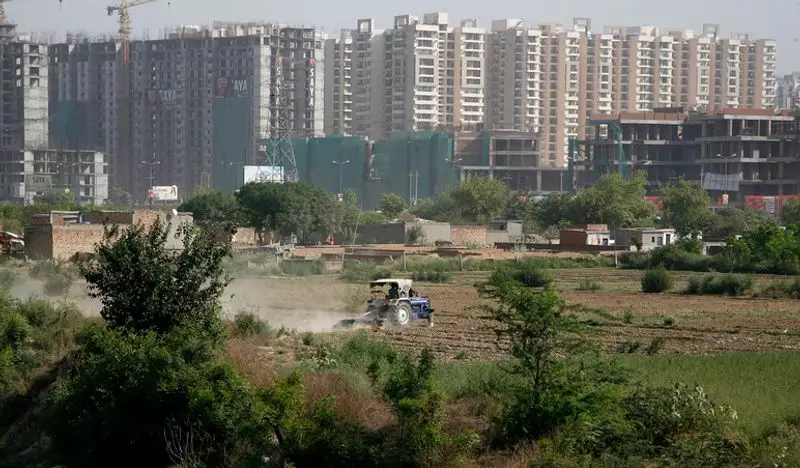
What makes this suburban shift particularly significant is how infrastructure development is rapidly following population movement. Unlike previous decades where infrastructure primarily focused on city centers, today's development patterns show a clear pivot toward suburban and peri-urban areas. Transportation networks, educational institutions, healthcare facilities, and retail centers are all expanding to serve these growing suburban communities.
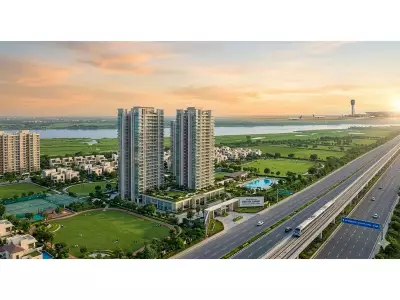
Real estate developers have been quick to respond to this trend, creating integrated townships that offer residential, commercial, and recreational spaces within self-contained ecosystems. These developments often feature modern amenities that rival or exceed what's available in traditional city centers, including green spaces, walking trails, community centers, and advanced security systems.
The economic implications of this shift are profound. As populations disperse, economic activity follows, creating new commercial hubs outside traditional city centers. This decentralization reduces pressure on overburdened urban infrastructure while stimulating economic growth in previously underdeveloped areas.
The Future of Urban Planning in India
This suburban transformation necessitates a fundamental rethinking of urban planning strategies. City planners and policymakers must now consider how to create cohesive regional ecosystems rather than focusing exclusively on city centers. This involves developing efficient transportation corridors that connect suburban areas with urban cores while ensuring that suburban communities can function as self-sufficient entities.
The environmental impact of this shift presents both challenges and opportunities. On one hand, suburban development can lead to urban sprawl and increased vehicle usage. On the other, properly planned suburban communities can incorporate green building practices, preserve natural spaces, and promote sustainable living in ways that dense urban centers cannot.
As this trend continues to evolve, it's clear that the future of Indian cities lies in creating balanced regional ecosystems where urban and suburban areas complement rather than compete with each other. The successful cities of tomorrow will be those that can integrate diverse living options while maintaining connectivity and economic vitality across their entire metropolitan regions.
The great suburban shift represents more than a temporary trend—it's a fundamental restructuring of urban life that will shape India's development for decades to come. As more Indians embrace suburban dreams, our cities must adapt to this new reality, creating urban environments that offer both the opportunities of city living and the quality of life that suburban areas can provide.