

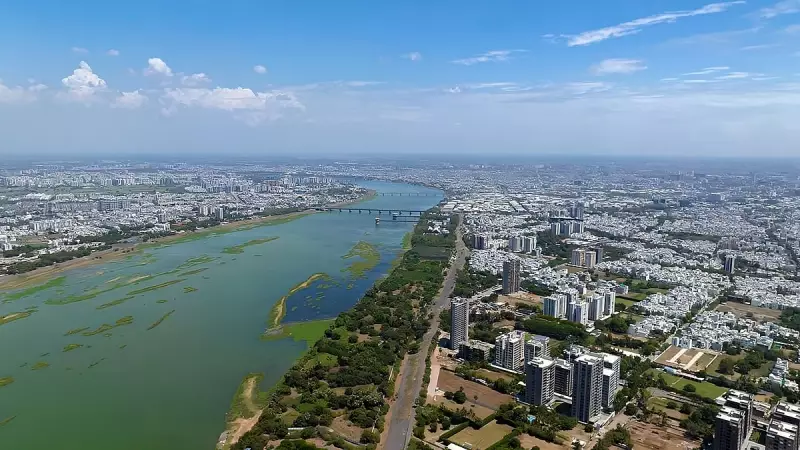
The bustling diamond and textile hub of Surat in Gujarat is charting a remarkable course in urban development, aiming to become the first slum-free city in India. The state government has announced that this ambitious goal is firmly on track, with a comprehensive plan to rehabilitate tens of thousands of slum-dwelling families into modern, permanent housing.
A Massive Rehabilitation Drive Underway
According to the Gujarat government's detailed presentation, the city has already made significant strides. Over 15,000 families living in slums have been successfully shifted to pucca (permanent) houses. This massive relocation effort is part of a broader mission to redevelop 76 slum pockets identified across Surat. The initiative leverages a partnership model between the Surat Municipal Corporation (SMC) and private developers, ensuring the project's financial and operational viability.
The scale of the project is immense. Officials report that work is currently in progress across 40 different slum locations within the city. The plan is meticulously structured, aiming for the rehabilitation of a total of 75,000 families. The government has set a clear deadline, expressing confidence that Surat will achieve the historic 'slum-free' status by the year 2027.

The Model: In-Situ Redevelopment and Cross-Subsidy
The success of Surat's model hinges on the in-situ redevelopment of slums. This means that new apartment buildings are constructed on the same land where the slums once stood, minimizing displacement and preserving community networks. Under this scheme, eligible slum dwellers receive a free housing unit with a carpet area of 32 square meters. Each unit comes equipped with essential amenities, transforming their living conditions.
To make the project economically feasible, the model employs a cross-subsidy mechanism. Private developers who take up the construction are permitted to build and sell additional commercial and residential spaces on a portion of the cleared land. The revenue generated from these sales funds the construction of the free homes for the rehabilitated families. This public-private partnership has been a key driver in accelerating the project's pace without placing an unsustainable financial burden on the municipal coffers.
Implications and the Road to 2027
The transformation of Surat extends beyond just brick and mortar. Moving families from informal, often precarious slum settlements into formal housing with legal ownership has profound socio-economic implications. It provides residents with security, dignity, and access to better civic infrastructure like water, sanitation, and electricity. For the city, it means more organized urban planning, improved public health outcomes, and the productive use of valuable urban land.
The Gujarat government's announcement positions Surat as a national benchmark for urban renewal. If the city stays on its current trajectory and meets the 2027 target, it will set a powerful precedent for other Indian metropolises grappling with the challenge of slums. The project demonstrates that with political will, innovative financing, and collaborative execution, the dream of slum-free cities can be turned into a tangible reality.
As work continues at a brisk pace across dozens of sites, all eyes are on Surat. Its journey from a city known for its industries to one pioneering inclusive urban development is a story of transformative governance in action.






