

Top 7 Tallest Buildings in the World: Engineering Marvels That Define Modern Skylines
Skyscrapers stand as monumental testaments to human engineering prowess and architectural ambition. Over the past two decades, rapid development in Asia and the Middle East has propelled buildings to unprecedented heights, reshaping city skylines globally. This list, compiled from authoritative sources including Britannica and Wikipedia, highlights seven of the tallest structures worldwide, each embodying technological innovation and cultural expression.
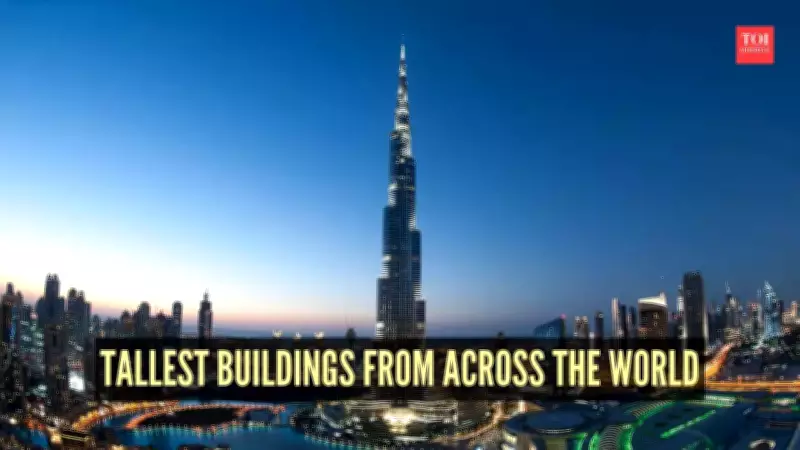
1. Burj Khalifa – Dubai, United Arab Emirates
Dominating the skyline at an astonishing 828 metres, the Burj Khalifa retains its title as the world's tallest building since its completion in 2010. This mixed-use megatall tower integrates residential units, office spaces, and observation decks, symbolizing Dubai's explosive urban growth and futuristic vision. Its record-breaking height and sleek design have cemented it as an iconic landmark of contemporary architecture.
2. Merdeka 118 – Kuala Lumpur, Malaysia
Soaring to approximately 679 metres upon its 2023 completion, Merdeka 118 ranks as the second-tallest building globally and the tallest in Southeast Asia. The tower combines office, hotel, and observation functions, while its geometric façade draws inspiration from traditional Malaysian patterns, reflecting a blend of modernity and cultural heritage.

3. Shanghai Tower – Shanghai, China
At 632 metres, the Shanghai Tower is the tallest building in East Asia, renowned for its innovative twisting design that minimizes wind resistance and enhances energy efficiency. Housing offices, hotels, retail areas, and observation decks, this skyscraper showcases China's rapid economic and architectural advancements in the 21st century.
4. Makkah Royal Clock Tower – Mecca, Saudi Arabia
Reaching around 601 metres, this towering complex features the world's largest clock face and serves as a pivotal hub for millions of pilgrims visiting the holy city. Beyond its impressive height, it includes a museum and extensive facilities, merging religious significance with grand architectural scale.
5. Ping An Finance Center – Shenzhen, China
Standing at about 599 metres, the Ping An Finance Center is among the tallest office-focused skyscrapers worldwide. Its sleek, modern structure houses premium office spaces, retail zones, and observation areas, mirroring Shenzhen's evolution into a leading financial and technological powerhouse.
6. Lotte World Tower – Seoul, South Korea
With a height exceeding 554 metres, the Lotte World Tower is South Korea's tallest building and one of the tallest in the OECD region. Integrating retail, offices, residences, and luxury hospitality, it epitomizes Seoul's status as a global city and highlights advanced construction capabilities.
7. One World Trade Center – New York City, United States
At approximately 541 metres, One World Trade Center is the tallest building outside Asia and a profound symbol of resilience and renewal following the September 11 attacks. Functioning as a major commercial and observation destination, it represents both architectural achievement and emotional significance in New York's skyline.
The Future of Skyscraper Design
These towering structures exemplify humanity's relentless pursuit of architectural innovation and expression. From Dubai to New York, they blend cutting-edge engineering with cultural identity and economic vision. As technology progresses, the quest for even taller, more sustainable skyscrapers continues, promising to shape future urban landscapes with ever-greater ambition.






