

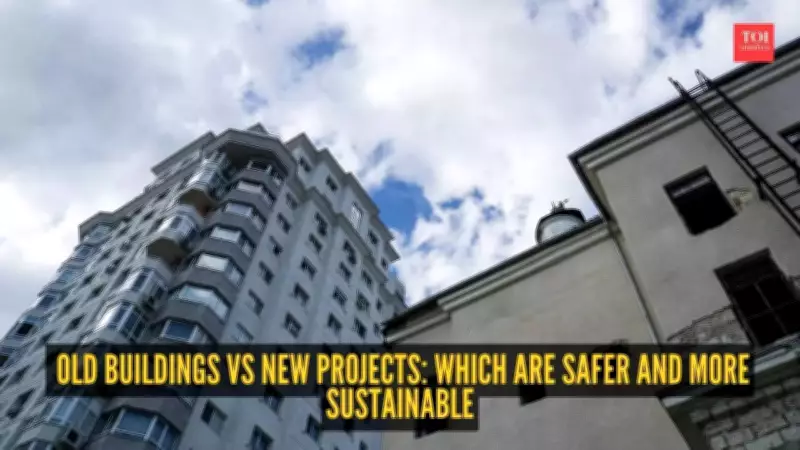
The Great Urban Planning Debate: Heritage Preservation Versus Modern Construction
The ongoing discussion between conserving older architectural structures and advancing new construction projects has become increasingly significant in contemporary urban development strategies. Critical considerations regarding safety protocols, environmental sustainability, financial implications, and long-term functional viability frequently influence public discourse and policy decisions. While aging edifices embody historical significance and demonstrate environmental benefits, modern developments guarantee adherence to current safety regulations and incorporate advanced construction methodologies. Comprehending the equilibrium between these contrasting viewpoints enables more educated choices concerning our constructed surroundings.
Sustainability Advantages of Preserving Older Buildings
One primary argument favoring the retention of older constructions centers on environmental sustainability. Existing structures inherently possess desirable ecological attributes by eliminating the negative consequences associated with extracting raw materials, manufacturing processes, and undertaking extensive construction activities. Reutilizing established buildings generates minimal environmental disruption, whereas even energy-efficient new constructions might require multiple decades to compensate for the carbon emissions produced during their initial development phase.
The carbon footprint resulting from retrofitting initiatives typically remains substantially lower compared to complete demolition and subsequent reconstruction, highlighting a crucial component within climate change mitigation strategies. Furthermore, natural resource conservation occurs when historically resilient buildings continue fulfilling their functional purposes over extended periods.

Dhruv Sarkar and Sahil Marshall from Bhaarat Wealth Group elaborate: "Historical buildings generally demonstrate superior sustainability characteristics because they frequently incorporate durable construction materials. However, structural safety can deteriorate over time due to aging components and insufficient maintenance. Transforming these older buildings into sustainable assets often necessitates comprehensive retrofitting, which involves significant expenses because of outdated structural standards and building codes. Conversely, new construction projects typically offer enhanced safety features by complying with contemporary building regulations, improved reinforced concrete standards, modern materials, and architectural innovations that enable long-term sustainability and safer living environments."
Safety and Efficiency Challenges in Aging Structures
Despite their environmental benefits, aging buildings frequently fail to satisfy modern safety requirements, accessibility standards, and energy-efficiency benchmarks. Progressive deterioration, obsolete materials, and maintenance deficiencies can create structural vulnerabilities or increased fire risks, particularly in buildings lacking contemporary detection systems or suppression mechanisms.
Retrofitting interventions help address these deficiencies by enhancing insulation, upgrading HVAC systems, improving lighting solutions, and implementing structural reinforcements. Such modifications can potentially reduce energy consumption by 30% to 80% while increasing compliance with current safety codes. Nevertheless, these improvements often demand substantial financial investments and involve technical complexities, especially for historically significant buildings or structures in poor condition.
Strengths of Modern Construction Projects
New construction developments typically follow planning and execution processes based on the latest building codes, seismic design standards, and fire safety regulations. This enables architects and developers to create structures that are inherently efficient, resilient, and service-oriented from inception through utilization of advanced construction materials and technological innovations.

Contemporary sustainable design practices continue evolving rapidly. Technological advancements including low-carbon materials, intelligent energy management systems, and timber-based construction methodologies can substantially decrease operational emissions and enhance environmental performance in newly constructed buildings.
Finding a Balanced Urban Development Approach
Rather than perceiving historical preservation and new construction as mutually exclusive alternatives, urban planners increasingly advocate integrated strategies. Since a substantial proportion of existing buildings will remain operational for decades, modernizing these structures through retrofitting becomes essential for improving resilience, safety standards, and emission reduction objectives.
Simultaneously, carefully planned new construction remains necessary to accommodate expanding urban populations and incorporate cutting-edge sustainability solutions. Both historical and contemporary buildings present distinct advantages: older structures represent cultural heritage and demonstrate lower environmental impact when properly maintained and revitalized, while newer buildings ensure superior safety features and operational efficiency.
The pathway toward sustainable urban development and vibrant growth in architectural design does not involve simplistic comparisons between old and new, but rather requires thoughtful integration and balanced incorporation of both approaches through effective and sustainable methodologies. This comprehensive perspective ultimately fosters safer, more sustainable urban environments where cities can develop and thrive in future decades.





