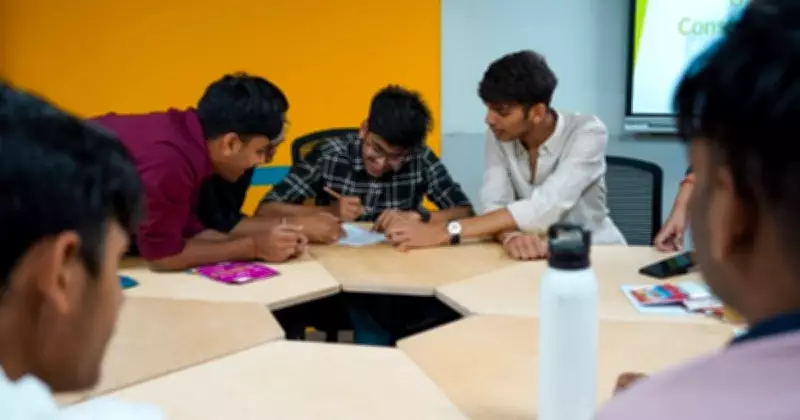
A new business school in Bengaluru is charting a distinctive path by focusing on founders and family businesses, moving away from the traditional placement-driven model. The institution, which aims to address a critical gap in business education, believes that entrepreneurship and succession planning require specialized training that conventional MBA programs often overlook.
Unique Focus on Entrepreneurship and Succession
The school's curriculum is designed to cater to the needs of aspiring entrepreneurs and heirs of family-run enterprises. According to the founders, many business schools emphasize corporate jobs, leaving a void for those who wish to start or inherit businesses. The new B-school intends to fill this void by offering courses on innovation, venture creation, and family business governance.
The institution's approach includes mentorship from successful entrepreneurs and exposure to real-world challenges. Students will work on live projects, develop business plans, and learn to navigate the complexities of family dynamics in business. The school claims that this hands-on methodology prepares students for the uncertainties of entrepreneurship better than traditional classroom teaching.

Bengaluru's Growing Entrepreneurial Ecosystem
Bengaluru, known as India's startup capital, provides a fertile ground for such an initiative. The city hosts thousands of startups and a vibrant ecosystem of investors, accelerators, and mentors. The new B-school leverages this ecosystem, bringing in guest lecturers from the startup community and organizing internships with early-stage companies.
The school's location is strategic, as it allows students to immerse themselves in the city's entrepreneurial culture. The founders believe that being in Bengaluru gives their students a competitive edge, as they can network with industry leaders and gain insights into the latest business trends.
Curriculum Designed for Practical Learning
The curriculum includes modules on design thinking, lean startup methodology, and family business strategy. Students are also taught financial management, marketing, and leadership skills tailored to entrepreneurial contexts. The school emphasizes experiential learning, with students required to launch a venture or develop a growth plan for a family business as part of their degree.
According to the school's dean, the goal is to produce job creators rather than job seekers. The dean stated, "We are not just preparing students for the corporate ladder; we are equipping them to build their own ladders."
Addressing the Needs of Family Businesses
Family businesses form a significant part of India's economy, contributing to over 70% of the country's GDP. However, many struggle with succession planning and professionalization. The new B-school offers specialized courses on governance, conflict resolution, and wealth management for family-owned enterprises.
A recent survey indicated that only 30% of family businesses survive to the second generation, and even fewer to the third. The school aims to improve these odds by training the next generation of leaders in best practices for continuity and growth.
Impact on Traditional Placement Models
While most B-schools measure success by placement records, this institution prioritizes entrepreneurial outcomes. The school does not guarantee placements but instead provides support for students to start their own ventures or join family businesses. This model challenges the conventional wisdom that a business degree's value lies in corporate recruitment.
The founders acknowledge that this approach may not appeal to everyone, but they believe it is essential for fostering innovation and self-reliance. They also note that many successful entrepreneurs have expressed interest in mentoring students, which could lead to future collaborations and investment opportunities.
Conclusion
Bengaluru's new business school represents a bold experiment in rethinking business education. By centering on founders and family businesses, it seeks to create a generation of entrepreneurs equipped to drive economic growth and innovation. Whether this model will succeed remains to be seen, but it has already sparked conversations about the purpose and direction of business education in India.