

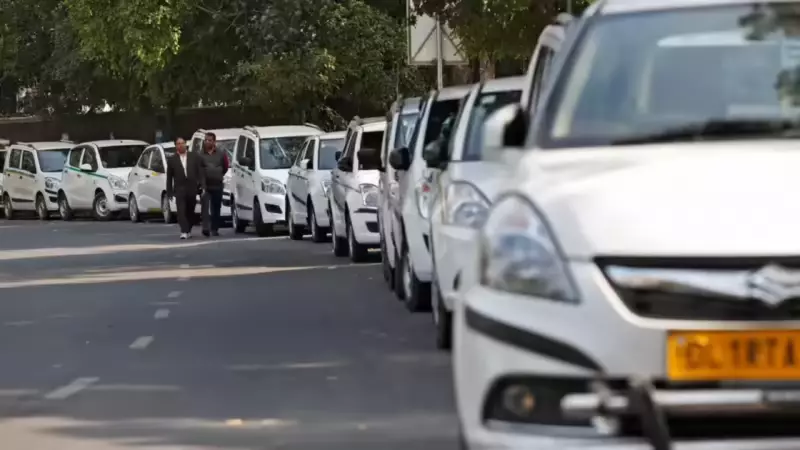
A new player has entered India's competitive ride-hailing market with a unique cooperative model. On Tuesday, Bharat Taxi, a digital platform operated by Sahakar Taxi Cooperative Ltd, commenced its pilot operations in the national capital, Delhi.
A Cooperative Alternative Takes to the Roads
The initiative is backed by eight of India's most prominent cooperative organisations, aiming to provide a viable alternative to private giants like Ola, Uber, and Rapido. The promoters include heavyweights such as Amul (Gujarat Co-operative Milk Marketing Federation), IFFCO, KRIBHCO, NAFED, NDDB, NCEL, NCDC, and NABARD. The multi-state cooperative society itself was registered on June 6, 2025, under the MSCS Act.
Jayen Mehta, Chairman of the initiative and Managing Director of GCCMMF, announced the launch, stating, "Bharat Taxi has been launched in Delhi with more than 51,000 drivers registered on the app." He also confirmed that driver registration is currently progressing in Gujarat. Mehta highlighted that the project is inspired by Prime Minister Narendra Modi's vision of 'Sahakar Se Samridhi' and has been driven by the Ministry of Cooperation under Union Minister Amit Shah.

This launch follows Union Home and Cooperation Minister Amit Shah's announcement in Parliament in March 2025 regarding the introduction of a new cooperative taxi service. The platform's board also includes two driver representatives, ensuring their voice in operations.
Features and the Revolutionary Zero-Commission Model
The Bharat Taxi app is designed to be a comprehensive mobility solution. For users, it offers a suite of features aimed at convenience and safety:
- User-friendly mobile booking and transparent fare structure.
- Real-time vehicle tracking and multilingual support.
- Round-the-clock customer service and tech-enabled safety measures.
- Integration with Metro rail for seamless multimodal journey planning.
However, the app's most disruptive feature is its driver-centric economic model. Under a zero-commission structure, drivers retain the full fare from every ride. Any profits generated by the cooperative society will be distributed directly to its driver members. This model directly challenges the commission-based earnings on private platforms. Furthermore, the service has partnered with Delhi Police to enhance safety for both riders and drivers.
Impact and Future Roadmap
The soft launch in Delhi currently covers cars, autos, and bikes, providing a wide range of options for commuters. With over 51,000 drivers already onboarded, the service begins with significant scale. The Ministry of Cooperation states the core objective is to liberate commercial vehicle drivers from dependency on private ride-hailing companies and establish a sustainable, cooperative-driven mobility ecosystem across the nation.
The success of this Delhi pilot will be closely watched, as it represents a significant shift in how ride-hailing services can be structured and owned, putting the earnings and welfare of drivers at the forefront of its mission.






