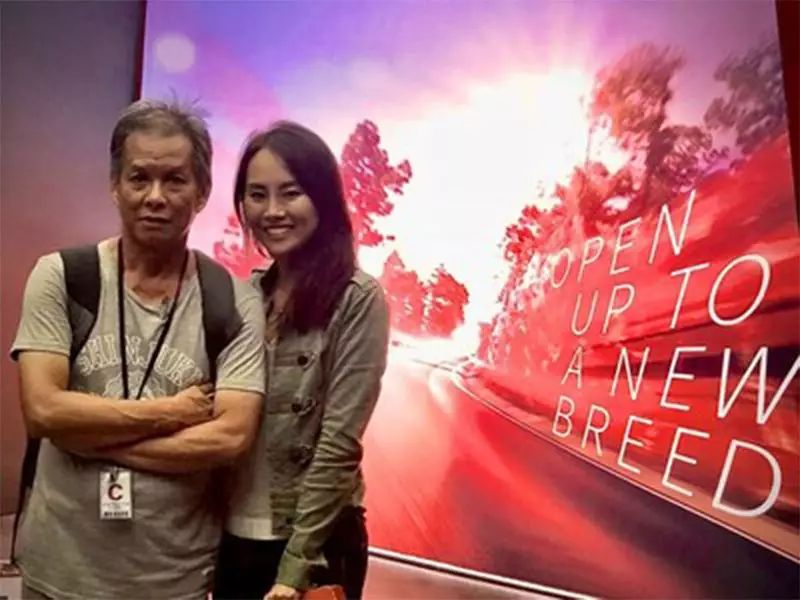
In the bustling heart of Delhi, a family-run event management company that had been the lifeblood of celebrations for three decades found itself on the brink of collapse. The business, built by Ravi Kant from his garage in 1990, faced an existential crisis. The turning point came not from a new investor or a lucky break, but from a bold decision within the family. The founder's daughter, Ishita Kant, stepped forward to take the reins, orchestrating a remarkable revival that has not only saved the business but propelled it into new, unforeseen markets.
A Legacy Business Faces Its Greatest Challenge
Ravi Kant's company, which began with organizing small family gatherings, had grown into a respected name for weddings and corporate events in Delhi-NCR by 2020. However, the onset of the COVID-19 pandemic brought the vibrant events industry to a sudden, screeching halt. Lockdowns and social distancing norms meant cancellations poured in, and revenue streams dried up almost overnight. The future of the 30-year-old enterprise looked bleak. It was at this critical juncture that Ishita, who had been involved in the business, proposed a radical shift in strategy to her father.
Her plan was to pivot the entire operation online. While initially met with skepticism, the dire circumstances forced a reconsideration. In April 2020, they launched their first virtual event service. This wasn't just about hosting video calls; they reimagined celebrations for a digital world. The company began offering curated virtual wedding packages, complete with digital invitations, live-streaming setups, interactive games for guests, and even virtual catering coordination with food delivered to attendees' homes.

The Digital Pivot and Unlocking New Audiences
The move to virtual events was a survival tactic that unexpectedly unlocked a treasure trove of opportunities. By going digital, the business was no longer geographically limited to Delhi. They started receiving inquiries from Indian families spread across the globe—from the United States and Canada to Europe and Australia—who wanted to include relatives in India in their celebrations seamlessly. This global exposure became the catalyst for the next big leap.
Recognizing a sustained demand, Ishita has now set her sights on formally expanding into the United States market. The strategy involves tailoring services for the large Indian diaspora there, offering a blend of virtual coordination for families in India and on-ground event management support in the US. This dual model leverages their newly honed digital expertise and their deep-rooted understanding of Indian wedding traditions and corporate culture.
Key Factors Behind the Successful Turnaround
The revival of this family business can be attributed to several key decisions. First was the willingness to embrace technology and completely reinvent the service model during a crisis. Second was the seamless leadership transition that brought in a fresh, digital-native perspective while retaining the legacy of trust and quality. Third, and perhaps most crucial, was the ability to see the pandemic not just as a threat but as an opportunity to break geographical barriers and serve a global clientele.
The financial turnaround speaks for itself. From staring at a near-total loss of revenue, the company has not just recovered but is now projecting growth. They have successfully organized over 200 virtual and hybrid events since the pivot. The new focus on the US market is expected to significantly boost their client base and revenue in the coming year, proving that even the most traditional family businesses can find new life through innovation and adaptability.
The story of this Delhi-based event company is a powerful testament to the resilience of India's family-run small and medium enterprises (SMEs). It highlights how a crisis, when met with agility and a customer-centric approach to innovation, can force a business to evolve in ways that open up larger, more sustainable futures. The baton pass from father to daughter has not merely preserved a legacy; it has rewritten its future, setting a compelling example for other traditional businesses navigating the digital age.