

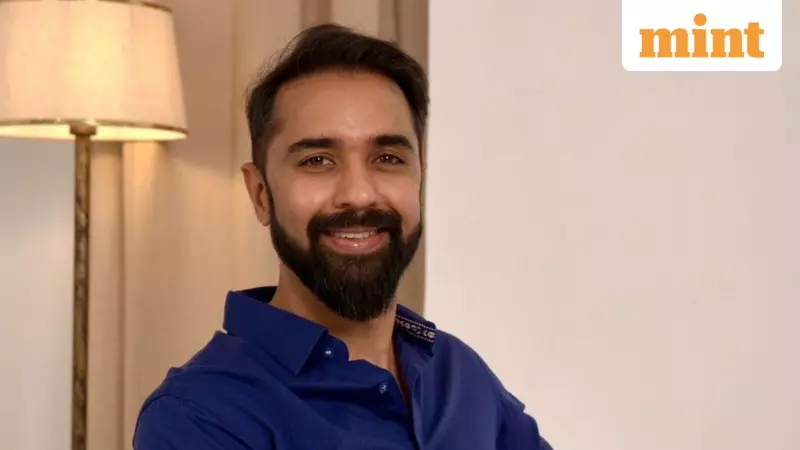
In a significant observation for the marketing world, Varun Alagh, the co-founder of Honasa Consumer which owns brands like Mamaearth, has suggested that consumer brands are nearing a major turning point. He believes the future of building deep connections may lie decisively in the physical, real world, moving beyond the algorithm-driven digital fatigue.
The Digital Exhaustion Point
In a recent post on LinkedIn, Alagh pointed out that the endless chase for online metrics like clicks and views is showing clear signs of exhaustion. He specifically highlighted that younger audiences, particularly Gen Z, are growing wary of content engineered solely for platform algorithms.
He cited the recognition of "rage bait" as Oxford's Word of the Year for 2025 as evidence that manufactured online outrage is losing its impact on consumers. "When AI makes us doubt what’s real and algorithms prioritise conflict, consumers naturally pull their attention away from the screen," Alagh wrote. This indicates a faster-than-expected erosion of trust in purely digital content.

Cultural Shift Towards Real-World Engagement
Alagh identified several emerging trends that signal this pivot back to offline experiences. These include the growing preference for content labeled "Not made with AI" and the adoption of no-phone policies at social venues like clubs and dance floors to encourage genuine presence.
This cultural shift, according to him, forces brands to rethink their strategy. "If digital validation is plummeting, brands must rethink how they establish genuine connection," he stated. Alagh proposes that the ultimate brand goal today is not to demand screen views but to maximise physical time with the consumer through tangible experiences that a screen cannot replicate.
Testing the Theory at Rolling Loud Mumbai
Honasa Consumer recently put this offline-first philosophy to the test at the Rolling Loud music festival in Mumbai, in partnership with District. The company's brands created physical, sensory engagements instead of relying on digital campaigns.
Its salon brand, BBLUNT, offered on-the-spot hairstyling and haircuts, creating what Alagh called a "visible, visceral" interaction. Simultaneously, the skincare brand Aqualogic focused on functional utility by providing drinking water at the high-energy event.
Alagh declared these direct, physical interactions more effective than any short-term online campaign, serving as a successful proof of concept for offline-led brand building.
Why Physical Experiences Create Deeper Impact
Alagh outlined three strategic reasons why offline engagement is becoming crucial:
- Trust Through Sensation: Physical interaction lets consumers touch, feel, and experience a product directly, without the mediation of digital filters or edits.
- Stronger Memory Formation: Shared real-world moments create more durable and emotional brand recall compared to fleeting digital impressions.
- Higher Audience Quality: Offline environments capture consumers when they are truly engaged and present, not while passively multitasking or scrolling.
Alagh clarified that the future is not about abandoning digital platforms but about expanding brand presence beyond them. "The next stage of growth isn’t about winning the digital shelf alone," he concluded. "It’s about building omnichannel sensory moments that validate your brand in the real world." This marks a potential paradigm shift in how Indian and global brands will approach marketing in an age of digital saturation.






