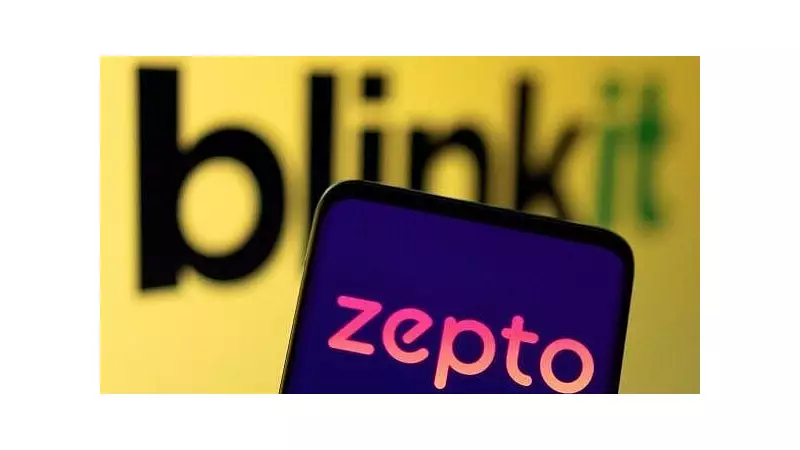
The way India shops for daily essentials has undergone a seismic shift. What began as a niche service has exploded into the country's most dynamic retail phenomenon. According to a definitive year-end analysis by RedSeer Strategy Consultants, the quick commerce sector has officially cemented its status as a utility for millions, evolving from a convenience to a necessity.
From Novelty to Necessity: The Numbers Behind the Boom
The report, which consolidates data and trends for the year, presents staggering figures. The quick commerce model, promising delivery of groceries and essentials in as little as ten minutes, now serves a massive 33 million monthly active users. This widespread adoption isn't confined to just the metropolitan hubs. The services have penetrated deep, reaching consumers in over 150 cities across the nation. This explosive growth trajectory makes it India's fastest-growing retail format, outpacing traditional e-commerce and brick-and-mortar expansion.
What Drove the Meteoric Rise?
Several key factors converged to fuel this rapid adoption. The foundational shift was a change in consumer mindset, where the expectation for instant gratification moved from digital content to physical goods. The dense network of dark stores or micro-fulfillment centers, strategically located within neighborhoods, made the 10-minute delivery promise logistically feasible. Furthermore, the model perfectly catered to the urban Indian's need for convenience, solving for last-minute purchases, forgotten items, and small-basket shopping without the hassle of traffic or queues.

The sector's evolution can be succinctly described as moving 'from baskets to blink'—a reference to the speed at which a digital shopping basket is converted into a delivery at the customer's doorstep. This isn't just about speed; it's about reliability and integration into daily life.
The Road Ahead: Implications and Future Trends
The entrenchment of quick commerce as a utility has profound implications for the broader retail landscape. Traditional kirana stores are adapting by partnering with these platforms or leveraging similar tech solutions. The competition is also pushing larger e-commerce players to reevaluate their delivery models. For consumers, the benefit is unprecedented convenience, but it also raises the bar for service expectations across all retail segments.
Looking forward, the sector is expected to consolidate and expand its offerings beyond groceries into categories like electronics, pharmacy, and personal care. The focus will likely shift from pure customer acquisition to building sustainable unit economics and deepening engagement with the existing vast user base. The RedSeer Strategy Consultants report, dated 29 December 2025, serves as a clear benchmark, marking the year when instant delivery became an inseparable part of the Indian consumer's lifestyle.