

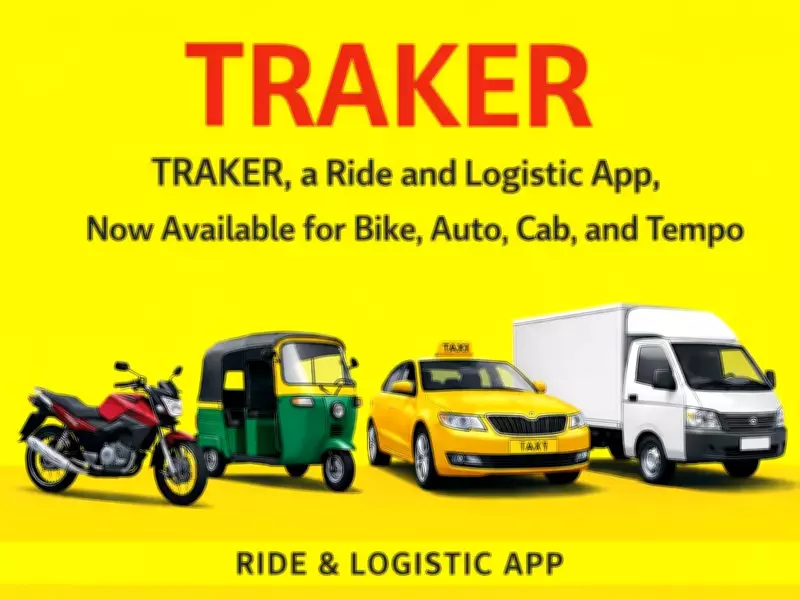
Indian Startup Traker Launches Flat 10% Commission Model to Challenge Ride-Hailing Giants
In a bold move set to shake up the mobility and logistics sector, the Indian startup Traker has unveiled a new business model featuring a flat 10% commission fee. This initiative directly targets established ride-hailing apps such as Uber and Ola, which often charge drivers commissions ranging from 20% to 30%. By significantly reducing these fees, Traker aims to empower drivers with higher earnings and offer more affordable services to customers, potentially disrupting the competitive landscape of urban transportation and delivery services across India.
Addressing High Commission Concerns in the Gig Economy
The traditional ride-hailing industry has long faced criticism from drivers over steep commission rates that can eat into their profits. Traker's flat 10% model is designed to alleviate this financial burden, providing a more sustainable income for gig workers. This approach not only benefits drivers but also enhances customer satisfaction by enabling lower fares and delivery charges. The startup's strategy focuses on creating a fairer ecosystem for all stakeholders involved in mobility and hyperlocal logistics.
Expanding into Hyperlocal Logistics and Mobility Services
Traker is not limiting its ambitions to ride-hailing alone. The company plans to extend its flat commission model to hyperlocal logistics, including food delivery, parcel services, and other on-demand tasks. This expansion could position Traker as a versatile player in the fast-growing gig economy, challenging incumbents like Swiggy and Zomato in the delivery space. By leveraging technology and a driver-centric approach, the startup aims to build a robust network that supports diverse urban mobility needs.

Potential Impact on the Indian Startup Ecosystem
Traker's innovative model highlights a growing trend among Indian startups to address pain points in established industries through cost-effective solutions. If successful, this could inspire other ventures to adopt similar low-commission strategies, fostering greater competition and innovation in sectors dominated by high-fee platforms. The startup's launch comes at a time when the Indian government is actively promoting digital entrepreneurship and self-reliance, potentially boosting Traker's visibility and adoption among consumers and drivers alike.
Challenges and Future Prospects for Traker
Despite its promising approach, Traker faces significant hurdles, including scaling operations, building brand trust, and competing with well-funded giants. However, by focusing on driver welfare and customer savings, the startup may carve out a niche in the market. Industry analysts suggest that Traker's success will depend on its ability to maintain service quality while keeping costs low. As the startup rolls out its services in major Indian cities, it will be closely watched for its potential to redefine commission structures in the mobility and logistics sectors.






