

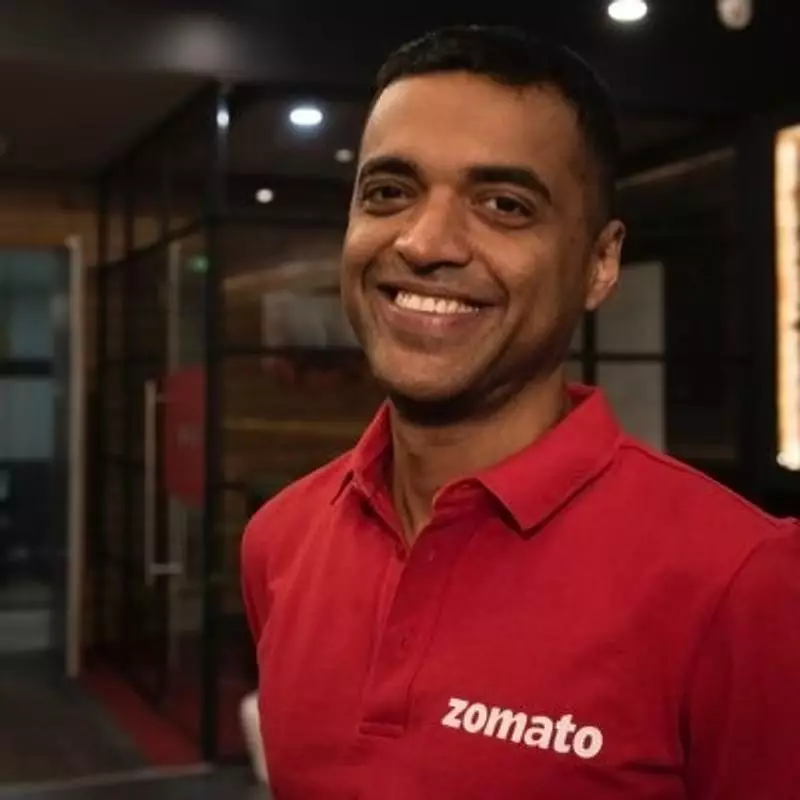
In a strong rebuttal to ongoing criticism of the gig economy model, Zomato's founder and CEO, Deepinder Goyal, has publicly defended the platform's work structure for its delivery executives. Goyal emphasized that the model offers flexible working hours and serves as a dependable source of income for a vast number of individuals, contrary to the narrative of exploitation and pressure.
Addressing Criticisms Head-On
Speaking at a recent event, Goyal directly addressed common concerns surrounding the gig work framework employed by food delivery and quick-commerce platforms. He argued that the characterization of the system as inherently pressurizing for riders is flawed. The core of his argument centered on the autonomy and flexibility the model provides, allowing partners to log in and work according to their own schedules and needs.
"The gig model doesn't pressure riders," Goyal stated, challenging the prevailing discourse. He highlighted that for countless people across India, this form of work is not a last resort but a chosen avenue for earning. It enables them to balance other life commitments, education, or additional jobs, making it a vital component of the modern employment landscape.

Flexibility and Financial Reliability
Goyal elaborated on the tangible benefits for Zomato's delivery partners. The ability to choose when to work is a fundamental advantage, he noted, which is often absent in traditional fixed-hour employment. This flexitime approach empowers individuals, particularly in a country with diverse economic needs and personal circumstances.
Furthermore, he positioned gig work with Zomato as a reliable income source for many. The platform's scale and consistent demand translate into steady earning opportunities for those who opt into the system. This reliability, coupled with the low barrier to entry, makes it an accessible economic engine for a wide demographic, from students to primary breadwinners seeking supplementary income.
The Broader Gig Economy Debate
The CEO's comments come amid a heated national and global debate on the rights and welfare of gig workers. Critics have long pointed to issues like lack of job security, social benefits, and the algorithmic management of workloads as significant downsides. However, Goyal's perspective underscores the industry's view that flexibility and opportunity are equally valuable currencies.
By publicly taking this stance, Goyal is actively shaping the narrative around one of India's fastest-growing employment sectors. His defense highlights the ongoing tension between innovative, tech-driven work models and the established frameworks of labor rights and social security. The discussion is crucial for policymakers, companies, and workers alike as they navigate the future of work in the digital age.
The Zomato CEO's firm stance makes it clear that the company views its gig model as a net positive, providing essential economic agency. As the conversation evolves, the challenge will be to balance this celebrated flexibility with measures that ensure the long-term well-being and security of the delivery partners who form the backbone of the platform economy.






