

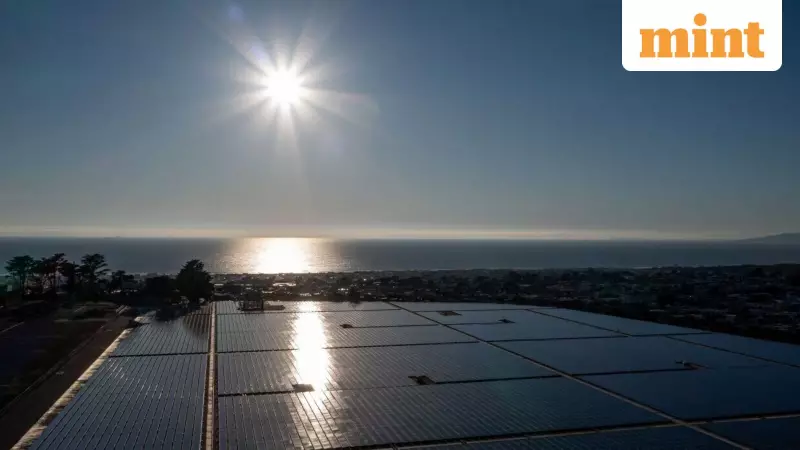
The relentless energy appetite of artificial intelligence (AI) has sparked an extraordinary, broad-based rally across the global power sector in 2025, lifting stocks from the cleanest solar firms to traditional coal miners. However, market analysts are now questioning whether this 'everyone's a winner' scenario can sustain itself into the next year as valuations swell and investor focus sharpens on tangible execution.
The Scarcity-Driven Surge: From Green to Conventional
The unifying theme behind the sector-wide gains is a sudden scarcity of power supply in the face of flatlining traditional demand forecasts. The explosive growth of AI data centers has created an urgent and massive need for reliable electricity, a challenge for an industry accustomed to incremental changes.
Initially, investors flocked to owners of nuclear and natural-gas power plants like Constellation Energy and Vistra. The rally, however, quickly became indiscriminate. The Invesco WilderHill Clean Energy ETF and the Invesco Solar ETF have jumped approximately 60% and 50% year-to-date, respectively, recovering from a weak start caused by subsidy uncertainties in the US.

Mark Strouse, an equity analyst at JPMorgan, notes a significant "catch-up trade" as investors realized the sheer scale of AI's power requirements. The boom isn't limited to solar and wind. Geothermal firm Ormat Technologies has risen around 65% and is negotiating higher-priced power purchase agreements with data center clients.
Nuclear Revival and Even Coal Gets a Boost
Nuclear energy has been a major beneficiary, buoyed by policy support and its promise of steady, carbon-free power. Canadian uranium miner Cameco has surged about 80%, while Constellation Energy has gained roughly 60%. Speculative plays in small modular reactors also rode the wave, with Oklo's value more than tripling this year.
Remarkably, even coal enjoyed a revival. Peabody Energy shares are up around 50%, supported by a 9% estimated increase in U.S. coal consumption for 2025 due to higher electricity demand, according to the Energy Information Administration.
The rally extended to equipment makers across the board. Shares of natural gas turbine manufacturer GE Vernova have doubled, while Caterpillar and Cummins are up around 60% and 50%, respectively, thanks to demand for smaller turbines. Fuel-cell company Bloom Energy saw its shares quadruple.
2026: The Year of Reckoning and Execution
Despite the euphoria, warning signs are flashing. Strouse of JPMorgan suggests the investment thesis is evolving. "2025 being still early in the cycle, exposure to AI was enough," he said. "In 2026, we'll need to see actual deal announcements and backlogs being built."
Valuations have become stretched. Companies with direct AI-energy links now trade at premium multiples. Constellation Energy, GE Vernova, and Cameco all trade at over 30 times forward earnings. Bloom Energy trades at a staggering 90 times forward earnings. Caterpillar and Cummins trade 50% and 44% above their historical multiples.
The most vulnerable are companies with minimal or no revenue, such as small modular-reactor startups Oklo and NuScale Power, or projects like Fermi, which recently saw a potential tenant back out of a $150 million funding agreement.
Interestingly, renewable energy remains a pocket not pricing in high growth. While stocks rallied, earnings multiples for giants like NextEra Energy have stayed flat at around 20 times forward earnings. First Solar's multiple, though expanded, remains cheap historically.
Physical constraints also threaten the rally. Joseph Shangraw, a research analyst at Wood Mackenzie, points out that engineering and construction contractors are being diverted to data-center and gas-power projects, pulling skilled labor away from solar installations and potentially creating future winners and losers.

In summary, while AI-driven power scarcity provided a massive tailwind for energy stocks in 2025, the landscape for 2026 appears more challenging. With much optimism already priced in, the sector may struggle to continue handing out participation trophies, forcing a sharper divide between companies that can deliver and those that cannot.





