

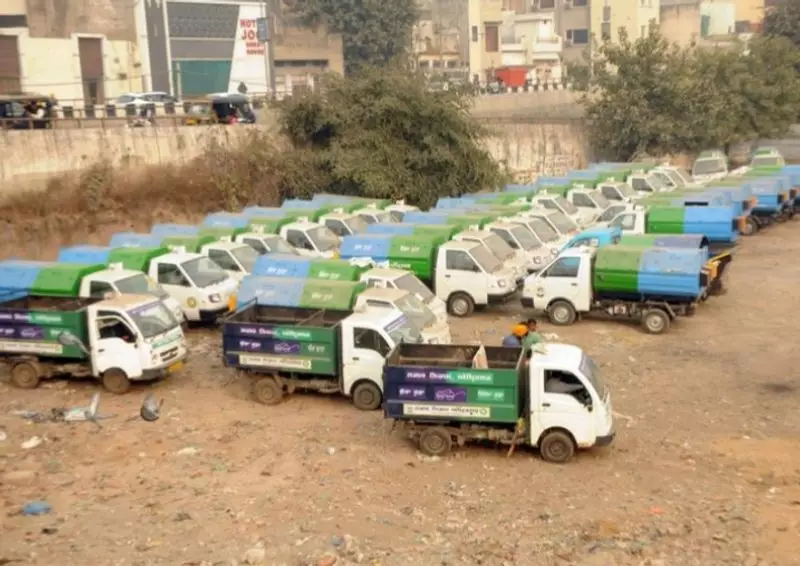
Amritsar Enhances Waste Collection with Expanded Fleet Across All Wards
The city of Amritsar has significantly bolstered its waste management infrastructure, deploying a comprehensive fleet to ensure efficient sanitation services for its residents. According to recent reports, the municipal corporation now operates a total of 205 collection vehicles alongside 400 manual rickshaws, working in tandem to lift waste from all 73 wards within the city limits.
Strategic Deployment for City-Wide Coverage
This expanded system represents a concerted effort by local authorities to address urban cleanliness challenges and improve public health standards. The combination of motorized vehicles and traditional rickshaws allows for a flexible approach to waste collection, catering to both broad areas and narrow lanes where larger vehicles might face accessibility issues.
The integration of manual rickshaws is particularly noteworthy, as it not only supports waste management but also provides employment opportunities for local workers. These rickshaws play a crucial role in door-to-door collection, ensuring that household waste is systematically gathered before being transferred to the main collection points.

Operational Efficiency and Environmental Impact
With this enhanced setup, Amritsar aims to achieve several key objectives:
- Improved Cleanliness: Regular and reliable waste pickup from all wards helps maintain a cleaner urban environment.
- Reduced Littering: By providing consistent collection services, the initiative discourages illegal dumping and promotes responsible waste disposal among citizens.
- Health Benefits: Effective waste management minimizes the risk of vector-borne diseases and contributes to overall public well-being.
- Sustainability: The use of manual rickshaws adds an eco-friendly dimension to the operations, reducing carbon emissions compared to a fully motorized fleet.
Municipal officials have emphasized that this system is part of a broader strategy to transform Amritsar into a model city for sanitation in Punjab. The deployment across 73 wards ensures that no area is left underserved, with plans for continuous monitoring and potential expansion based on population growth and urban development.
Community Engagement and Future Prospects
Residents are encouraged to cooperate with waste collection schedules and segregate waste at source to maximize the efficiency of the system. The success of this initiative relies heavily on public participation, as timely disposal and proper segregation can significantly enhance the overall effectiveness of the waste management chain.
Looking ahead, authorities are exploring technological integrations, such as GPS tracking for vehicles and digital platforms for complaint redressal, to further streamline operations. This move aligns with national goals under the Swachh Bharat Mission, reinforcing Amritsar's commitment to achieving higher standards of urban hygiene and sustainability.






