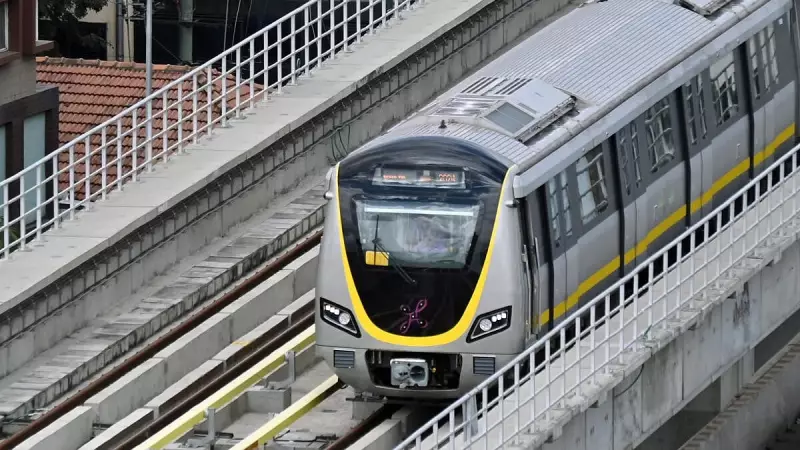
Commuters using Bengaluru's Namma Metro are set for a significant upgrade in service, with the frequency of trains on the crucial Yellow Line slated for a major improvement starting this week. The Bangalore Metro Rail Corporation Limited (BMRCL) has announced a welcome reduction in waiting times for passengers traveling between RV Road and Bommasandra.
Enhanced Frequency for Smoother Commutes
From Tuesday, the headway—or the time interval between two consecutive trains—on the Yellow Line will be reduced to 13 minutes throughout the day. This marks a substantial improvement over the previous schedule, where trains arrived every 15 minutes. The decision by BMRCL is a direct response to the growing ridership and the need to provide a more efficient and commuter-friendly service on this busy corridor.
The Yellow Line, officially known as the Reach 5 and 5A line, connects RV Road in the south to Bommasandra in the industrial belt. This improvement in frequency is expected to significantly ease peak-hour congestion and reduce crowding inside coaches, making the daily commute more comfortable for thousands of Bengalureans.

Operational Details and Future Plans
The new timetable with the 13-minute interval will be effective from the start of passenger services on Tuesday morning and will continue until the end of the operational day. This consistent frequency throughout the day, rather than just during peak hours, ensures predictable and reliable service for all travelers, whether they are heading to work, college, or for leisure.
This service enhancement follows a pattern of gradual improvements by BMRCL as it stabilizes operations and integrates new stretches of line. The increased frequency is made possible by the efficient deployment of the existing fleet of trains and optimized operational protocols. It demonstrates the metro corporation's commitment to incrementally boosting capacity and service quality as the network matures.
Impact on Bengaluru's Urban Mobility
The reduction in train intervals is a positive development for Bengaluru's public transport ecosystem. A shorter waiting time is a key factor in making metro rail a more attractive alternative to private vehicles, potentially encouraging a modal shift. For daily commuters on the tech corridor served by the Yellow Line, this translates to saved time, less stress, and a more predictable daily schedule.
Experts view this as a necessary step in optimizing the current infrastructure before the full completion of the Phase 2 network. As Bengaluru continues to grapple with traffic congestion, such improvements in the core metro service are crucial for building public trust and increasing ridership. The move is likely to be welcomed by residents and urban planners alike, as it signifies a focus on enhancing existing services rather than solely focusing on new construction.
Looking ahead, BMRCL is expected to continue fine-tuning schedules and may further reduce headways as more trains are inducted and passenger demand increases. The improved frequency on the Yellow Line sets a positive precedent for similar enhancements on other lines of the Namma Metro network as the system expands across the metropolitan region.