

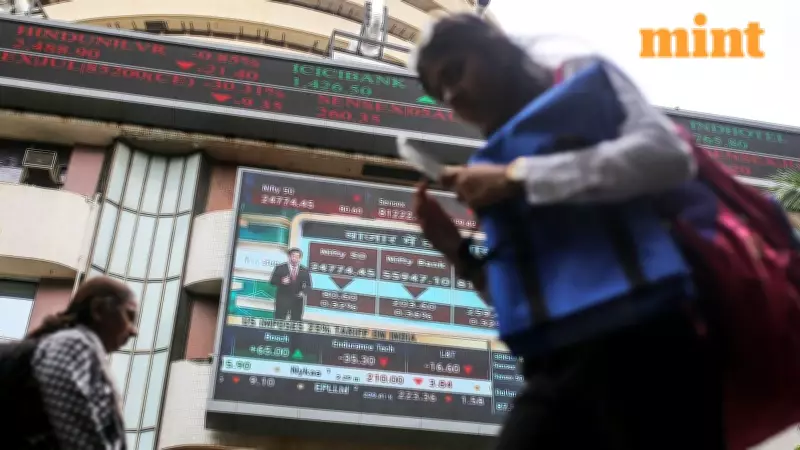
Indian investors are keenly anticipating this year's Union Budget presentation, as it establishes the government's strategic roadmap for key sectors in the coming year, provides crucial insights into fiscal policies, and often signals transformative reforms that can significantly impact financial markets. For several years, the government has consistently scheduled the Budget for February 1, and this year marks a notable exception as the date falls on a Sunday—the first such occurrence since 1999. Last year, Finance Minister Nirmala Sitharaman presented the Budget on a Saturday, with markets remaining open for trading, setting a precedent that has sparked curiosity among market participants.
Stock and Commodity Markets to Operate on Budget Day
In response to investor inquiries, official circulars from the stock exchanges confirm that both the Bombay Stock Exchange (BSE) and the National Stock Exchange (NSE) will be open for a special trading session on Sunday, February 1, 2026. The regular trading hours from 9:00 AM to 3:30 PM will be maintained, ensuring continuity for market operations. However, the NSE has clarified that the T+0 settlement facility will not be available due to a scheduled settlement holiday, which may affect certain trading strategies.
Detailed Market Timings for Budget Day
The following table outlines the specific session timings for the stock market:

- Pre-Open Session: 09:00 hrs to 09:08 hrs
- Normal Market Session: 09:15 hrs to 15:30 hrs
Similarly, the commodity market will also conduct a special live trading session on the same day, as per a circular from the Multi Commodity Exchange (MCX). The timings for the commodity market are as follows:
- Special Session: 08:45 a.m. to 08:59 a.m.
- Trading Session: 09:00 a.m. to 05:00 p.m.
- Client Code Modification Session: 09:00 a.m. to 05:15 p.m.
Budget Day Market Strategy and Volatility Insights
Ahead of the Union Budget, Indian stock market indices have shown signs of pressure, with the Sensex and Nifty 50 declining by over 3% in January alone. During Friday's trading session, indices continued to trade with losses, reflecting investor caution. Market analysts generally recommend a conservative approach in the lead-up to this major event, as Budget days are historically characterized by elevated volatility. Over the past 25 years, data reveals that the Indian equity market has experienced movements exceeding 1% on 16 occasions during February 1 Budget sessions, underscoring the potential for sharp price swings.
Expert Recommendations for Trading on Budget Day
Mayank Jain, a Market Analyst at Share.Market (PhonePe Wealth), advises traders to prioritize capital preservation over aggressive return maximization on Budget day. He explains, "With volatility typically peaking before the Budget speech and collapsing shortly after, traders should consider defined-risk option structures such as Iron Flies, Iron Condors, or credit spreads instead of engaging in naked option selling. These strategies are designed to capitalize on the post-Budget decline in implied volatility while limiting downside risk in case of unexpected price gaps."
Jain further notes that due to the tendency for bid-ask spreads to widen during the initial phase of the Budget speech, many professional traders prefer to either utilize hedged positions or wait for liquidity conditions to normalize before taking significant market exposure. This cautious stance helps mitigate risks associated with sudden market movements.
Disclaimer: This article is intended for educational purposes only. The views and recommendations expressed are those of individual analysts or broking firms and do not reflect the opinions of Mint. Investors are strongly advised to consult with certified financial experts before making any investment decisions.






