

Even the most celebrated investors are not immune to costly errors. Warren Buffett, the legendary 'Oracle of Omaha,' has built an empire with Berkshire Hathaway, but his journey is also marked by a monumental misstep that cost billions. As he officially passes the reins to successor Greg Abel in 2024, a resurfaced interview offers a timeless lesson from his biggest blunder.
The Golden Rule: What Makes a Good Investment?
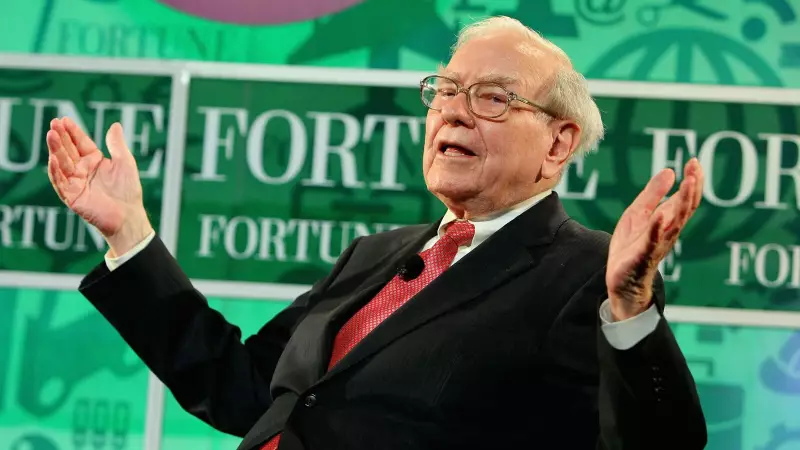
In a 2014 interview with Fortune that recently went viral on social media platform X, Buffett distilled his core investment philosophy. He defined a good business as "one that earns a high rate of return on tangible assets." The very best businesses, he noted, not only earn high returns but also grow.
However, Buffett immediately added a crucial qualifier. "If you don't pay too much, they can be a good investment," he stated. This caveat stems directly from a painful, early lesson. "If you pay too much for them, you can turn a good business into a bad investment," Buffett explained, highlighting the delicate balance between quality and price.

The "Worst Deal Ever": The Dexter Shoe Disaster
Buffett has consistently pointed to one acquisition as his most significant failure: the purchase of Dexter Shoe Company in 1993. At the time, Berkshire Hathaway paid $443 million for the company, using its own stock for the transaction.
On the surface, Dexter Shoe appeared sound. Yet, it was soon crushed by intense price and supply competition from overseas rivals, particularly from China. The company could not withstand the pressure and eventually folded. The true cost of this error became staggering over time.
Because Buffett paid with Berkshire stock, the value of those surrendered shares skyrocketed. According to Investopedia, the total loss amounted to a breathtaking $17.87 billion by February 2025. Buffett himself has called the mistake "monumental" and joked it "deserves a spot in the Guinness Book of World Records."
The Lasting Legacy of a Costly Lesson
This early blunder fundamentally reshaped Buffett's investment approach. He admitted that for decades, he tried buying mediocre businesses at cheap prices. "It took me about 20 or 30 years to figure out that wasn't a good idea," he confessed in the interview.
The Dexter Shoe fiasco cemented a dual principle that now guides Berkshire Hathaway:
- First, focus on acquiring wonderful businesses with high returns on capital.
- Second, and equally critical, never overpay for them, no how how attractive they seem.
As Buffett transitions to an advisory role and Greg Abel takes the helm, this hard-won wisdom remains a cornerstone of the conglomerate's strategy. The story underscores that in investing, discipline regarding valuation is as important as identifying quality—a lesson worth billions, learned from the master himself.






