Goa Ports Department Rejects Drishti's Floating Rescue Station Proposal
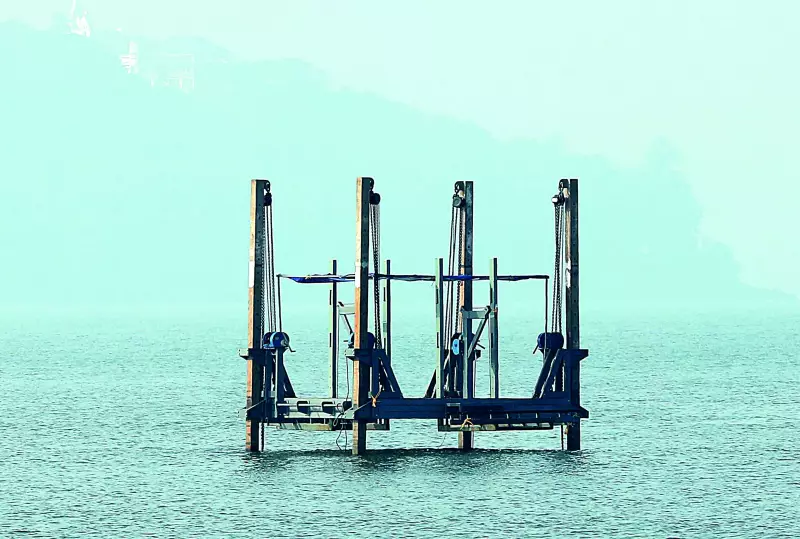
In a significant development for coastal safety management in Goa, the state's ports department has formally denied permission to Drishti Lifesaving Pvt Ltd for its floating Seahorse rescue stations. This decision comes after the department sat on the application for several months, ultimately leading to an order for dismantling the temporary platforms that had already been deployed.
Minister's Directive and Immediate Action
Ports Minister Digambar Kamat confirmed the department's stance, stating clearly, "I asked the captain of ports to serve a notice to them and to remove it. We cannot give permission for it." Following this directive, Drishti has already dismantled one Seahorse platform along the popular Calangute-Baga coastal belt, marking the beginning of compliance with the official order.
Application Timeline and Deployment Details
According to official records from the captain of ports, Drishti Lifesaving submitted its formal application on September 25, seeking permission to deploy temporary floating stations at various beaches across Goa. Despite this early submission, the ports department took until December to respond, coinciding with complaints from local fishermen about the platforms being erected.

Ahead of the festive season, Drishti had proactively deployed four floating Seahorse platforms at strategic locations: Calangute, Candolim, and Miramar in North Goa, and Baina in South Goa. These innovative stations were designed to operate in 3-5 feet of water depth, providing lifesavers with elevated vantage points at sea to monitor swimmers and beachgoers more effectively.
Safety Rationale and Proven Effectiveness
Drishti Lifesaving, which serves as the official agency appointed by Goa's tourism department for swimmer protection, had outlined ambitious plans to deploy six floating stations at key beaches including Arambol, Calangute, Miramar, Colva, Cavelosim, and Palolem. The temporary floating stations were specifically engineered for rapid rescue intervention, allowing quicker response times during water emergencies.
The effectiveness of these platforms was demonstrated during a real emergency when thirteen students aboard a fishing trawler required rescue at Miramar. The trawler, being used for a marine study tour, ran aground on a sandbar approximately 200 meters off Miramar beach, and the floating station proved instrumental in facilitating the rescue operation.
Operational Benefits and Current Status
According to Drishti officials, these floating stations offered significant operational advantages by positioning lifesavers directly in the water environment they were monitoring. This strategic placement enabled continuous surveillance of swimming zones and immediate intervention capabilities when needed, potentially reducing response times during critical situations.
The current situation leaves Goa's beach safety infrastructure at a crossroads, with proven rescue technology being removed despite demonstrated effectiveness. The ports department's refusal creates uncertainty about alternative safety measures that might be implemented along Goa's popular beaches, particularly as tourist seasons approach and water activity increases along the coastline.