Global gold prices are experiencing a significant upward trend, primarily fueled by a shift in monetary policy from major central banks around the world. However, this rally may not be indefinite, with a notable correction predicted for the coming years, according to industry experts.
Interest Rate Cuts Fuel the Rally
The primary driver behind the current surge in gold prices is the declining trajectory of global interest rates. Central banks, including the US Federal Reserve, have signaled a move towards rate cuts to manage economic conditions. When interest rates fall, the opportunity cost of holding non-yielding assets like gold decreases, making the precious metal more attractive to investors. This environment has propelled gold to trade near its all-time high levels.
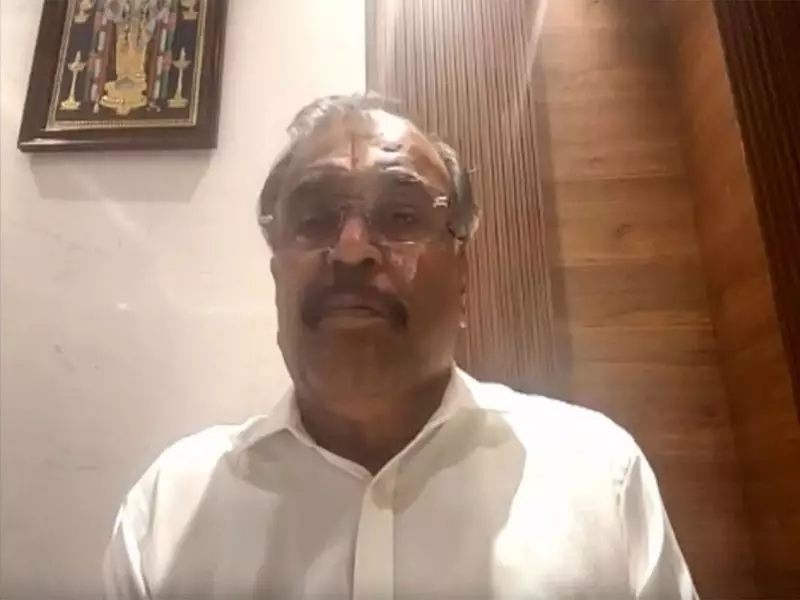
Shaankar Sen, a founder member of the Gem & Jewellery Council (GJC) and a veteran jeweller, confirmed this trend. He noted that the anticipation and implementation of rate cuts have directly contributed to the bullish sentiment in the gold market. This financial dynamic is a key factor overshadowing other traditional drivers in the short term.

A Forecast for a Significant Correction
Despite the current strength, a word of caution comes from the same expert analysis. Shaankar Sen has projected a substantial correction in gold prices on the horizon. He anticipates a potential drop of 10% to 15% in the early part of 2026. This forecast is based on the cyclical nature of financial markets and the expectation that the current macroeconomic drivers will eventually shift.
Sen advises investors and industry stakeholders to view the present high prices as a strategic opportunity. He suggests that this period could be ideal for booking profits or making strategic purchases in anticipation of the later correction. This forward-looking perspective is crucial for long-term planning in the jewellery business and for individual investment portfolios.
Indian Market Dynamics and Future Outlook
The Indian gold market, one of the largest in the world, is navigating this volatile landscape. While high prices can sometimes dampen immediate consumer purchases for jewellery, they also reinforce gold's role as a secure store of value. The market is currently balancing between profit-taking by some investors and continued demand from others who view gold as a hedge against uncertainty.
Looking ahead, the trajectory of gold will remain closely tied to global monetary policy. Any acceleration in the pace of interest rate cuts could extend the current rally. Conversely, signs of persistent inflation or a shift back to a hawkish stance by central banks could trigger volatility sooner than expected. The forecast for a correction in early 2026 provides a critical timeline for market participants to consider.
For consumers and investors in India, the message is to stay informed and agile. The coming months may offer a favourable window, but being prepared for a market downturn in the next couple of years is equally important. The inherent value and cultural significance of gold in India ensure demand remains, but price cycles will continue to present both challenges and opportunities.