

The Indian stock market is gearing up for a robust opening on Friday, with benchmark indices Sensex and Nifty 50 expected to climb higher, fueled by a widespread rally across global markets. This optimistic trend emerges as geopolitical tensions subside and concerns over US President Donald Trump's Greenland tariffs diminish, creating a more favorable environment for investors.
Indian Market Performance and Outlook
On Thursday, the Indian equity markets snapped a three-session losing streak, closing notably higher. The Sensex surged by 397.74 points, or 0.49%, to settle at 82,307.37, while the Nifty 50 advanced by 132.40 points, or 0.53%, ending at 25,289.90. This recovery signals renewed confidence among market participants.
Siddhartha Khemka, Head of Research at Motilal Oswal Financial Services Ltd., highlighted the key drivers moving forward. "Overall, we expect markets to track global cues, macro indicators and the ongoing quarterly earnings," he stated, emphasizing the importance of external factors and domestic corporate performance in shaping market trajectories.

Global Market Cues Influencing Indian Indices
Several international developments are setting the stage for a positive start in India:
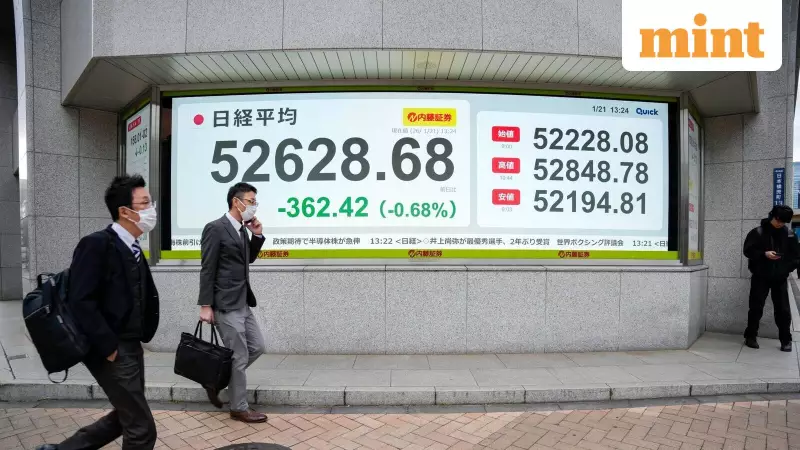
- Asian Markets: Trading higher on Friday, following Wall Street's overnight gains. Japan's Nikkei 225 rose 0.25%, South Korea's Kospi increased 1.11%, and Hong Kong's Hang Seng futures pointed to a higher opening.
- Gift Nifty: Trading around the 25,380 level, indicating a premium of nearly 30 points from Nifty futures' previous close, suggesting a bullish sentiment for Indian indices.
- Wall Street: US stocks ended higher after President Trump rescinded Greenland tariff threats. The Dow Jones gained 0.63%, S&P 500 rose 0.55%, and Nasdaq Composite climbed 0.91%, with notable gains in tech stocks like Meta and Tesla.
Key Economic Indicators from the US
Recent data from the United States has provided additional support to global markets:
- US GDP: The economy grew at an upwardly revised 4.4% annualized rate in the third quarter, the fastest pace since late 2023, exceeding initial estimates.
- US Inflation: The PCE price index held steady at 2.8% year-over-year in November, indicating controlled inflationary pressures.
- US Jobless Claims: Initial claims rose marginally to 200,000, below economist forecasts, reflecting a resilient labor market.
Other Global Factors
Additional elements contributing to the market dynamics include:
- Japan Inflation: Core CPI rose 2.4% in December, staying above the central bank's target but slowing from previous months.
- Commodities: Gold prices hit a record high above $4,960, while silver also reached new peaks. Crude oil prices, however, fell about 2% to one-week lows.
- Currency Movements: The US dollar faced its biggest weekly drop in a year, with the dollar index declining, while the euro and sterling remained steady.
As markets open, investors will closely monitor these global cues alongside domestic factors, including corporate earnings and macroeconomic data, to gauge the sustainability of the current rally. The easing of geopolitical risks has undoubtedly provided a much-needed boost, but ongoing vigilance is essential in navigating the volatile financial landscape.






