

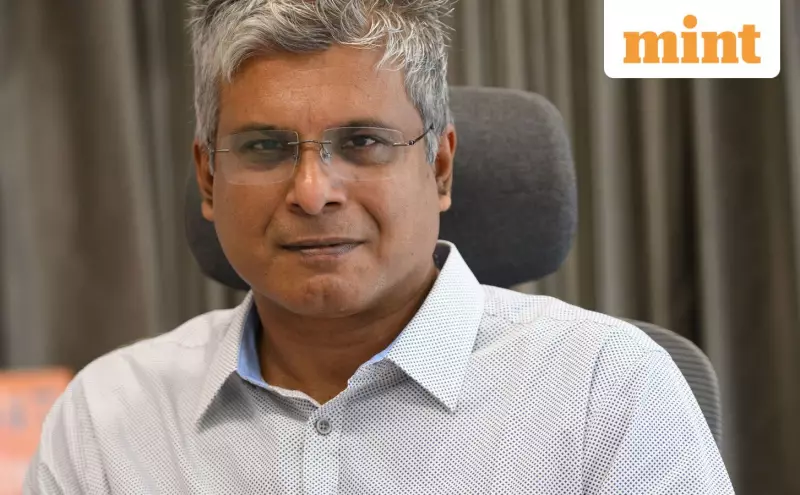
Market Returns May Exceed GDP Growth by 2-3% in 2026: Anthony Heredia
In a comprehensive interview, Anthony Heredia, Managing Director and CEO of Mahindra Manulife Mutual Fund, shared his outlook for Indian financial markets in 2026. He projected that equity market returns could potentially exceed nominal GDP growth by 2-3 percentage points, offering a cautiously optimistic perspective amid global uncertainties.
Moderating IPO Appetite and Foreign Capital Needs
Heredia highlighted that after two consecutive record-breaking years of fundraising, investor appetite for new listings is likely to moderate. Abundant supply of initial public offerings and persistent external headwinds are beginning to weigh on secondary markets, creating a more selective investment environment.
While refraining from commenting on specific budget measures, Heredia emphasized that policy initiatives aimed at boosting foreign capital flows could significantly enhance economic momentum. These measures could include direct tax incentives or indirect support mechanisms to attract international investment.

India's Improving Valuation Attractiveness
After underperforming global peers for approximately a year due to elevated valuations and modest earnings growth, India's relative valuations are becoming increasingly attractive in dollar terms. This shift follows a period of price correction and creates potential opportunities for discerning investors.
Earnings Outlook and Portfolio Strategy
Regarding third-quarter fiscal year 2026 earnings, Heredia noted that while revenue growth has been positive, net profit expansion has lagged. This discrepancy partly stems from one-time provisions related to new labor law compliance. However, he anticipates minimal negative surprises from forthcoming earnings reports.
Mahindra Manulife's portfolio currently maintains a large-cap bias, primarily driven by valuation considerations. The fund house favors financials, consumption, information technology, and commodities sectors. Additionally, manufacturing export-oriented businesses warrant monitoring based on free trade agreement developments with the European Union and United States.
Investment Allocation Recommendations
For investors with a long-term horizon of five years or more, Heredia suggested allocating 40-50% to diversified flexi or multi-cap portfolios, 25-30% to multi-asset funds incorporating gold and silver exposure, and the remainder to international equities distributed across emerging markets, the US, and select European markets.
Multi-Asset Approach and Policy Expectations
Heredia expressed satisfaction with the performance of Mahindra Manulife's equity funds, including mid and small-cap offerings, over the past year. Given recent investor interest in gold and silver, he believes multi-asset products should form the core of incremental allocations over the next several quarters.
While acknowledging substantial policy efforts to boost manufacturing, infrastructure capital expenditure, and consumption, Heredia emphasized that additional focus on attracting foreign capital flows remains crucial. Supportive measures for bond markets would also contribute positively to economic momentum.
Artificial Intelligence and Global Investment Sentiment
Addressing artificial intelligence challenges, Heredia observed that while significant developments are underway, not all are publicly communicated. He anticipates AI's evolution will benefit various value chain participants beyond just producers, including consumers. Current beneficiaries appear to be AI infrastructure providers, such as chip manufacturers and data center operators, while monetization for AI-consuming businesses remains future-oriented.
Regarding foreign investor sentiment, Heredia noted that recent geopolitical events and financial market volatility have made investors more deliberate about capital commitments. However, India's fundamental strengths—including its vast consumer base, favorable demographics, reform agenda, and world-class infrastructure development—remain intact. Foreign portfolio investment flows into Indian equities appear inevitable, with timing being the primary uncertainty.

Heredia concluded that while emerging markets have experienced strong inflows over the past six to nine months, India's relative valuation attractiveness suggests it may soon benefit from similar trends, marking a potential turning point for international investment in Indian markets.





