

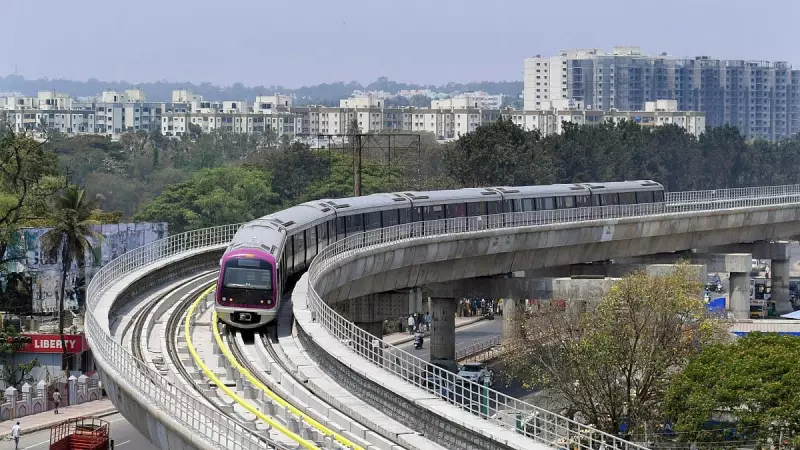
Namma Metro's 2026 Fare Policy Draws Sharp Criticism
The recent fare increase for Bengaluru's Namma Metro has sparked widespread concern among the city's residents. Commuters are expressing frustration as the metro system becomes one of the most expensive in the country. This development places a significant financial burden on those who rely on public transportation daily.
Financial Strain on Daily Commuters
Daily-wage earners and lower-middle-class commuters feel the impact most acutely. Even a modest five percent increase in fares feels punitive to these groups. Many struggle to absorb the additional costs in their tight household budgets.
The 2025 fare hike already positioned Namma Metro among India's priciest metro systems. The latest adjustment compounds this issue, creating accessibility challenges for essential workers and students.

Calls for Commuter-Centric Reforms
Transportation experts argue that fare policies must prioritize commuter needs. They emphasize affordability as a cornerstone of effective public transit. A balanced approach should consider both operational costs and passenger welfare.
Bengaluru's growing population relies heavily on the metro for daily travel. The system's success depends on maintaining reasonable pricing that serves all economic segments of society.
Key concerns include:- Reduced accessibility for low-income riders
- Potential decline in metro ridership
- Increased financial pressure on working families
- Need for transparent pricing mechanisms
Public transportation serves as a vital lifeline for urban mobility. Fare structures should reflect this fundamental role rather than creating barriers to access.






