

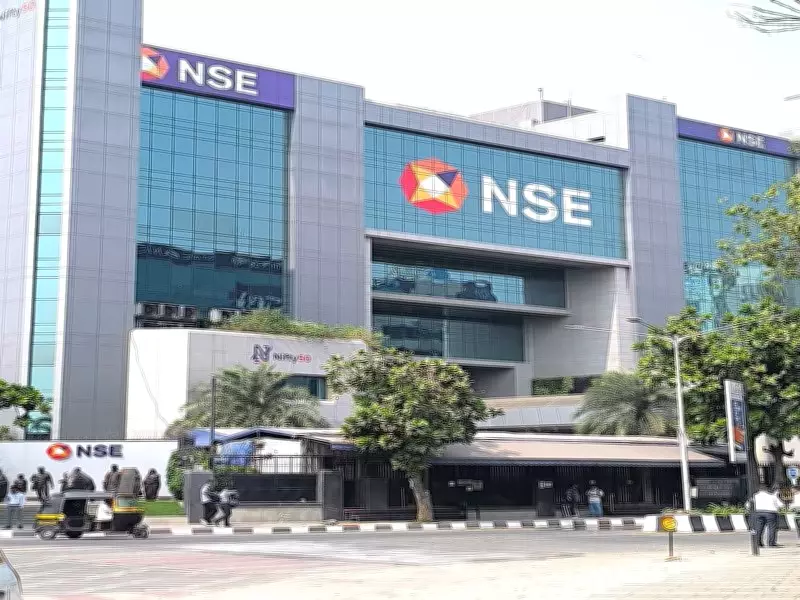
Indian Stock Markets Open Lower Amid Escalating US-Iran Tensions
The Indian stock market commenced trading on a negative note today, with both the benchmark indices, the Nifty 50 and the Sensex, opening lower. This downturn is primarily attributed to rising geopolitical tensions between the United States and Iran, which have intensified market volatility and prompted a cautious outlook among investors.
Geopolitical Uncertainty Weighs on Market Sentiment
Escalating conflicts in the Middle East, particularly the heightened tensions between the US and Iran, have cast a shadow over global financial markets. The uncertainty surrounding potential military actions or retaliatory measures has led to a risk-off sentiment, causing investors to pull back from equities and seek safer assets. This global unease has directly impacted Indian markets, as foreign institutional investors (FIIs) often react to such geopolitical risks by adjusting their portfolios, leading to outflows or reduced inflows.
Oil Price Climb Adds to Economic Concerns
Concurrently, crude oil prices have surged due to the geopolitical unrest, with Brent crude trading at elevated levels. India, being a major importer of oil, is particularly vulnerable to such price spikes. Higher oil prices can stoke inflationary pressures, increase the current account deficit, and dampen corporate earnings, especially for sectors like aviation, transportation, and manufacturing. This has further fueled the cautious stance in the stock market, as analysts warn of potential headwinds for the Indian economy if oil prices remain high.

Market Performance and Sectoral Impact
At the opening bell, the Nifty 50 index was down by approximately 0.5%, while the Sensex fell by a similar margin. Sectoral indices showed mixed performance, with oil and gas stocks experiencing some gains due to the rise in crude prices, but broader market sentiment remained subdued. Banking and financial stocks, which are sensitive to economic indicators, also faced pressure amid concerns over inflation and interest rate trajectories.
Analysts Advise Caution Amid Volatility
Market experts have advised investors to exercise caution in the current environment. They highlight that while domestic factors like corporate earnings and monsoon progress remain supportive, global geopolitical risks could overshadow these positives in the short term. Recommendations include focusing on defensive sectors, maintaining a diversified portfolio, and avoiding aggressive bets until there is more clarity on the international front.
Outlook for the Trading Session
The outlook for the rest of the trading session remains cautious, with traders closely monitoring developments in the Middle East and oil price movements. Any escalation in tensions could lead to further selling pressure, while de-escalation might provide some relief. Additionally, domestic cues such as inflation data and corporate results will also play a role in shaping market direction. Overall, the market is expected to remain volatile, with a bias towards the downside until geopolitical uncertainties ease.






