Speculation about a potential public listing for SpaceX has taken a dramatic new turn. Instead of a traditional initial public offering (IPO), a prominent investor now suggests Elon Musk will pursue a radical merger of his two flagship companies.
The Reverse Merger Theory Gains Traction
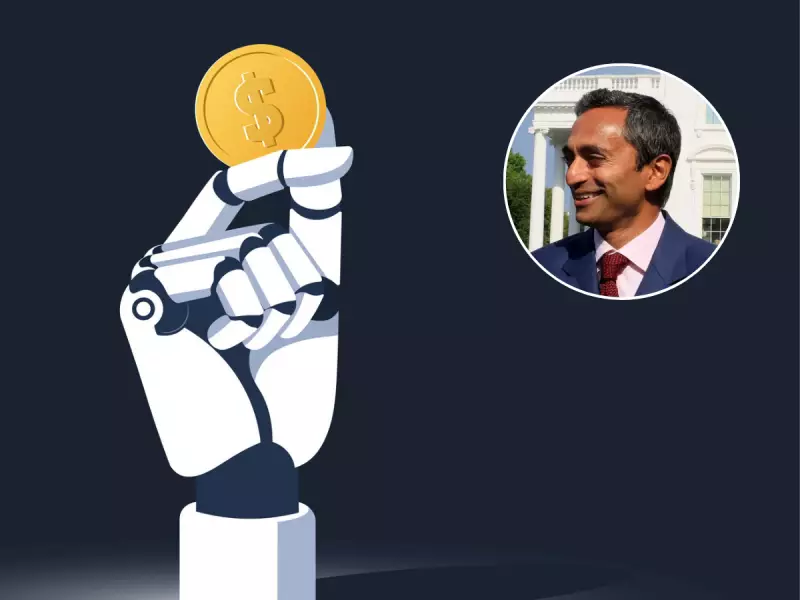
Billionaire investor and venture capitalist Chamath Palihapitiya has presented a compelling alternative to the widespread SpaceX IPO rumours circulating for 2026. In a viral video shared on the social media platform X, Palihapitiya stated he does not believe SpaceX will go public in the conventional sense.
"I think it will reverse merge into Tesla," Palihapitiya declared. He elaborated that this strategic move would allow Elon Musk to consolidate control over his two most seminal assets—SpaceX and Tesla—into a single, massive entity. This "mega-company" would have one unified cap table, solidifying Musk's command over both ventures.

Why an IPO Might Not Be Musk's Preferred Path
The chatter around a SpaceX IPO intensified in late 2025, coinciding with a remarkable surge in Musk's personal net worth, which reached an unprecedented $600 billion recently. While a public listing could unlock massive liquidity, analysts point to significant drawbacks that might deter Musk.
An IPO would subject SpaceX to the same intense regulatory scrutiny and shareholder pressures that Tesla currently navigates. Musk has consistently demonstrated a preference for autonomy. His immediate action after acquiring Twitter was to take it private. His other major ventures, including Neuralink, xAI, and The Boring Company, also remain privately held.
Furthermore, financial data underscores the need for a new capital strategy. According to a report from PitchBook, SpaceX has raised over $10 billion in private funding. Ali Javaheri, an emerging technology analyst at PitchBook, explained, "SpaceX has effectively hit the ceiling of what private markets can support."
Complications and Historical Precedents
The path to any major financial manoeuvre is complicated by Musk's history with regulators. His infamous 2018 "funding secured" tweet about taking Tesla private led to years of legal battles with the U.S. Securities and Exchange Commission (SEC). This history adds a layer of complexity to any decision involving public markets.
Adding to the corporate dynamics, the Tesla board has recently urged Musk to step back from external government advisory roles, such as his involvement with the Department of Government Efficiency (DOGE). The board's pressure for him to focus on Tesla's core automotive business could influence how a potential merger is structured and perceived.
Palihapitiya's reverse merger theory presents a scenario where Musk achieves his goals of securing capital for SpaceX's ambitious projects while maintaining a tighter, more consolidated grip on his industrial empire, potentially avoiding the dilution of control a standard IPO might bring.