

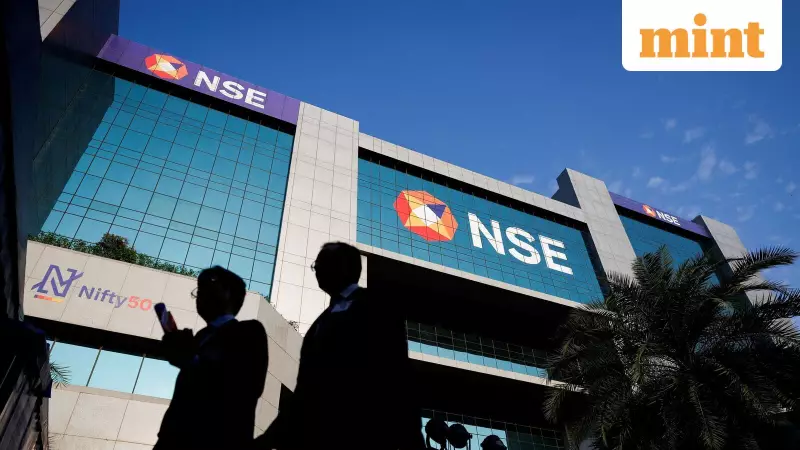
Republic Day 2026: Indian Stock Markets to Remain Closed on January 26
Indian stock markets will observe a trading holiday on Monday, January 26, 2026, in honor of Republic Day celebrations. Both the Bombay Stock Exchange (BSE) and the National Stock Exchange (NSE) will suspend all trading activities for the day, with normal market operations scheduled to resume on Tuesday, January 27, 2026.
Currency and Commodity Markets Schedule
Along with equity markets, currency trading platforms will also remain closed for the day. However, in a notable exception, the commodity derivatives segment will conduct trading during its regular evening session as per the pre-announced exchange schedule. This partial closure reflects the standard holiday protocol followed by Indian financial markets.
Complete 2026 Stock Market Holiday Calendar
According to the official holiday calendar released by exchanges, Indian stock markets will observe a total of 16 trading holidays throughout 2026. Following the Republic Day closure, the next market holiday will occur on March 3, 2026, in observance of Holi festivities.

Before the Republic Day holiday, markets were closed on January 15, 2026, due to municipal corporation elections in Mumbai. The holiday distribution for 2026 shows:
- March: Three trading holidays
- April and May: Two holidays each
- June and September: One holiday each
- October and November: Two holidays each
- December: One stock market holiday
Additionally, four market holidays during 2026 fall on weekends when markets are typically closed anyway.
Friday's Market Performance: Sharp Decline Across Indices
Indian equity benchmarks extended their downward trajectory on Friday, January 23, 2026, with significant losses across major indices. The sell-off was driven by multiple factors including profit booking, ongoing geopolitical tensions, investor caution ahead of the Union Budget 2026, and mixed third-quarter earnings reports.
The benchmark Sensex plummeted 770 points, representing a decline of 0.94%, to close at 81,537.70. Similarly, the Nifty 50 index fell 241 points, dropping 0.95% to settle at 25,048.65.
Broader Market Underperformance and Wealth Erosion
Selling pressure was particularly pronounced in the broader market segments. The BSE Midcap index witnessed a substantial decline of 1.6%, while the Smallcap index fell even more sharply by 2.2%, reflecting heightened risk aversion among market participants.
The market downturn resulted in significant erosion of investor wealth, with more than ₹6 lakh crore wiped out in a single trading session. The total market capitalisation of BSE-listed companies dropped below ₹452 lakh crore, down from ₹458.5 lakh crore in the previous session.
Expert Analysis: Multiple Factors Driving Market Sentiment
Vinod Nair, Head of Research at Geojit Investments Limited, commented on the market sentiment, stating: "Indian equity markets slipped into sell-off mode despite positive global cues and supportive domestic PMI data. Sentiment was weighed down by rising crude oil prices, a sharp depreciation of the rupee to record lows, continued FII selling and earnings falling slightly short of expectations amid premium India valuations."
Nair further noted that realty and PSU bank stocks underperformed significantly due to execution delays and profit booking activities. Adani Group stocks also faced selling pressure following reports of potential summons by a US regulator.
Looking ahead, Nair indicated that markets are likely to remain cautious as investors position themselves for key upcoming events including the Union Budget 2026 and the US Federal Reserve's interest rate decision, where expectations remain subdued.
Disclaimer: The views and recommendations mentioned above are those of individual analysts or broking companies, and not of Mint. Investors are advised to consult with certified experts before making any investment decisions.






