

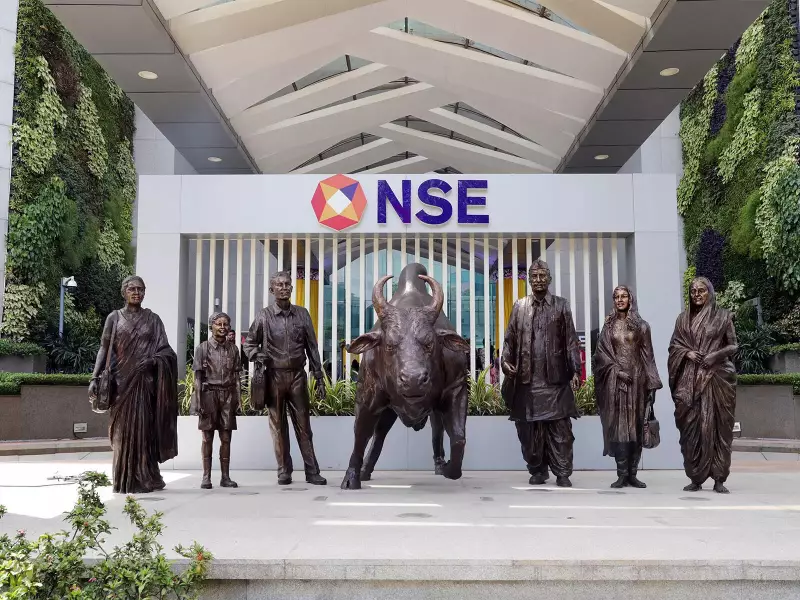
The Indian primary market has demonstrated remarkable strength in the current financial year, with companies mobilising massive capital through public offerings. A recent report from the National Stock Exchange (NSE) reveals that as of November in FY26, a total of 83 firms have raised a staggering Rs 1.3 lakh crore from the domestic market.
Breakdown of Fundraising: Fresh Equity vs OFS
The NSE analysis provides a detailed look at the composition of this capital. Of the total Rs 1.3 lakh crore, 41% was garnered through fresh equity issuances. This method involves a company creating and selling new shares, with all proceeds going directly into its coffers for expansion, new projects, or debt repayment. The remaining 59% was raised via Offer for Sale (OFS), where existing promoters or investors sell their holdings to the public.
The report attributed the strong momentum to several high-profile initial public offerings (IPOs) that debuted during this period. Collectively, these newly listed companies have achieved a combined market capitalisation exceeding Rs 10 lakh crore, highlighting the significant scale and depth of recent market entries.

Investor Participation and SME Segment Growth
A notable shift in investor demographics has been observed. Retail participation strengthened to 25%, indicating a growing appetite among individual investors for primary market offerings. Concurrently, the share of qualified institutional buyers (QIBs) saw a moderation.
Parallel to the mainboard activity, the SME segment on NSE's Emerge platform maintained vigorous momentum. In the period under review, 80 SMEs got listed on Emerge, raising an aggregate of Rs 3,911 crore. Significantly, 95% of this amount came from fresh equity, underscoring the platform's critical role in channelling growth capital to small and medium enterprises.
Regulatory Tailwinds and Market Outlook
The NSE report also highlighted how recent regulatory measures have fortified India's listing ecosystem. Key changes include:
- Reduction in the minimum public offering requirement.
- Extension of timelines for large entities to achieve minimum public shareholding.
- Streamlined migration criteria for SMEs moving from Emerge to the mainboard.
- Enhanced disclosure norms for greater transparency.
These steps have created a more supportive environment for companies seeking to list. The report concludes that the robust fundraising, coupled with strong retail involvement and enabling regulations, continues to reinforce the Indian capital markets' pivotal role in driving the nation's long-term economic growth and corporate expansion.






