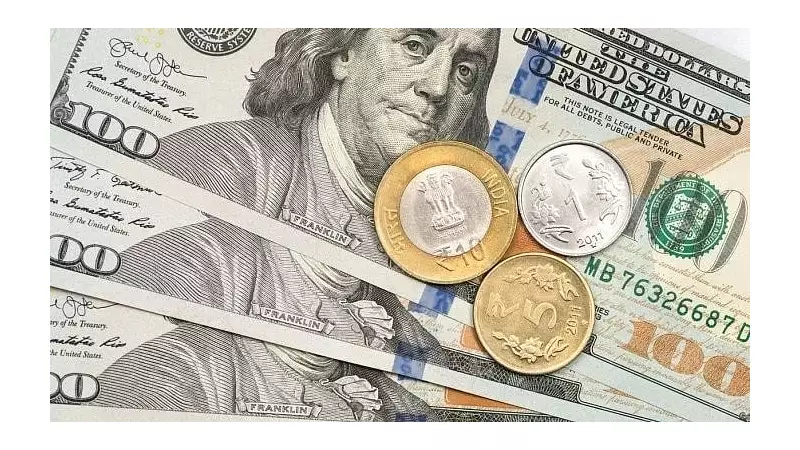
The Indian rupee witnessed a slight decline against the US dollar in Thursday's trading session, closing weaker by seven paise. The domestic currency settled at a provisional rate of 89.94 against the greenback, reflecting ongoing pressures in the foreign exchange market.
Intraday Trading Volatility
The trading day on January 8, 2026, began with the rupee opening at 89.96 at the interbank foreign exchange market. Throughout the session, the currency pair experienced notable fluctuations. The rupee saw a range-bound movement, touching an intraday high of 89.73 and dipping to a low of 90.13 against the American currency. This volatility highlights the dynamic nature of the forex market influenced by global and domestic factors.
Closing Figures and Market Context
After navigating the day's volatility, the rupee eventually settled at 89.94 (provisional). This closing mark represents a fall of 7 paise from its previous close. The marginal depreciation indicates a cautious trading environment where the rupee faced headwinds, likely due to a combination of dollar demand from importers and broader global currency trends.

Implications for the Economy
While a movement of a few paise is often considered routine in currency markets, it forms part of a larger trend that analysts monitor closely. A weaker rupee has mixed implications for the Indian economy. On one hand, it can make exports more competitive, potentially benefiting certain sectors. On the other, it increases the cost of imports, including crucial items like crude oil, which can contribute to inflationary pressures. Market participants will continue to watch for cues from the Reserve Bank of India's interventions and global dollar movements in the coming sessions.