

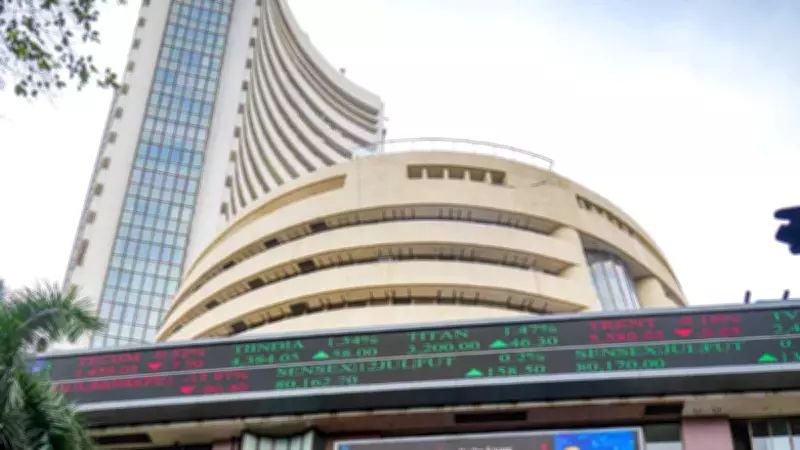
Indian Markets Witness Sharp Decline Amid Global Turmoil
On March 23, 2026, Indian financial markets experienced a significant downturn, characterized by a plunging rupee and crashing gold prices. The volatility was driven by unstable global market conditions, including fluctuating oil prices, which added pressure to an already fragile economic environment.
Rupee Hits Record Low Against Major Currencies
The Indian rupee plummeted to a historic low against key global currencies, reflecting heightened investor anxiety and capital outflows. This depreciation was exacerbated by rising import costs and speculative trading activities in the foreign exchange market.
Gold Prices Crash Amid Market Sell-Off
Gold rates witnessed a dramatic crash, losing substantial value as investors shifted towards safer assets or liquidated holdings to cover losses in other segments. The precious metal's decline was part of a broader sell-off in commodity markets, influenced by shifting monetary policies and reduced demand.

Stock Market Performance: NSE and BSE Under Pressure
Both the National Stock Exchange (NSE) and Bombay Stock Exchange (BSE) recorded notable declines, with benchmark indices falling sharply. The sell-off was widespread, affecting multiple sectors, though specific stocks like Trent and State Bank of India (SBI) remained in focus due to their significant market movements and corporate developments.
Global Market Influences and Oil Price Volatility
Global markets contributed to the instability, with mixed performances in major economies leading to uncertainty. Oil prices were particularly volatile, swinging between gains and losses, which impacted energy stocks and overall market sentiment in India.
Key Stocks in Focus: Trent and SBI
Trent Ltd. saw heightened trading activity as investors reacted to its latest financial results or strategic announcements. Meanwhile, State Bank of India (SBI) was closely watched due to its role in the banking sector and exposure to economic fluctuations, with its shares experiencing notable price movements.
Investor Sentiment and Future Outlook
Market analysts attribute the downturn to a combination of domestic and international factors, including geopolitical tensions, inflation concerns, and policy changes. Investors are advised to exercise caution and monitor developments closely, as the situation remains fluid with potential for further volatility in the coming days.






