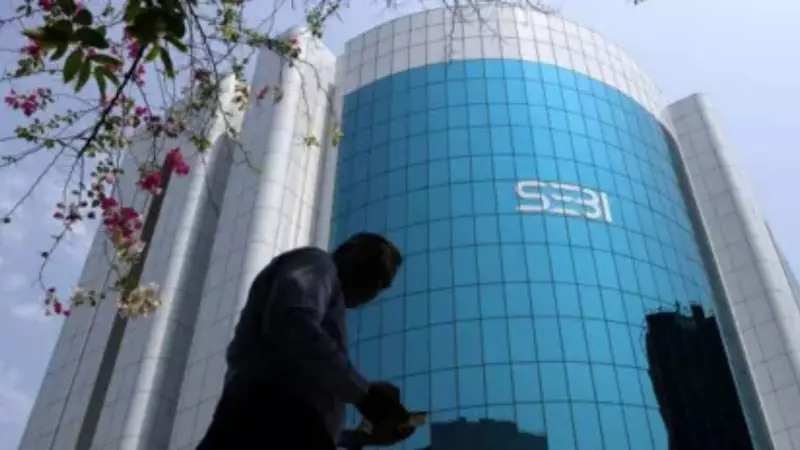
The Securities and Exchange Board of India (SEBI) is significantly ramping up its technological capabilities and artificial intelligence (AI) surveillance to stay ahead of emerging risks in the financial markets. Chairman Tuhin Kanta Pandey made this announcement on Thursday, January 2, 2026, during an event in Mumbai marking the 40th anniversary of the BSE Sensex.
Proactive Regulation in a Tech-Driven Era
Pandey emphasized that as investor participation widens and markets become increasingly driven by technology, the regulator must enhance its framework for more effective and proactive supervision. The core focus is on strengthening both technological and regulatory architecture to uphold market integrity amidst a rapidly diversifying investor base. He outlined key priorities, which include continuous improvement in corporate governance, promotion of sustainable finance, encouragement of innovation with investor protection at the core, and the responsible use of information and data.
"The changing landscape of the market, especially with the integration of AI, brings complexities alongside efficiencies," Pandey stated. He stressed that the next frontier for regulation lies in anticipating risks before they materialize, necessitating a forward-looking approach.

AI-Powered Tools for Market Surveillance
To translate this vision into action, SEBI has already deployed several advanced AI-driven systems. Pandey highlighted specific tools designed to protect investors and ensure fair play:
- Sudarshan: An AI-based model that identifies fraudsters who impersonate investment advisers and research analysts on social media platforms to mislead investors.
- R(AI)DAR (Regulatory AI-driven Advertising Reviewer): This system monitors and analyses advertisements issued by asset management companies to flag potential mis-selling and regulatory violations.
- Sentiment Analysis System: Applied to corporate announcements, it helps identify disclosures that qualify as "material" and enables timely surveillance alerts.
Furthermore, Pandey revealed that SEBI is currently developing an AI-driven inspection tool for cyber health checks. This tool will analyse cyber audit reports, identify security gaps, and classify market entities based on their risk exposure.
Broader Tech Architecture and Security Mandates
Beyond AI, SEBI is working on improving its overall technology infrastructure. Pandey pointed to the introduction of instant verification of UPI IDs and bank accounts as a critical step aimed at preventing cyber fraud.
The regulator has also reinforced accountability for Market Infrastructure Institutions (MIIs) like exchanges, depositories, and clearing corporations. "To ensure security, we have mandated external independent evaluation of MIIs and their statutory committees every three years, alongside internal evaluations," Pandey stated, referencing a recent circular.
During the same event, BSE Managing Director and CEO Sundararaman Ramamurthy highlighted the performance of the Sensex, noting it has achieved a 13 per cent compounded annual growth rate since its inception in 1986. This compares favorably to the 9-10 per cent growth of other major global indices like Hong Kong's Hang Seng and the US's Dow Jones Industrial Average.