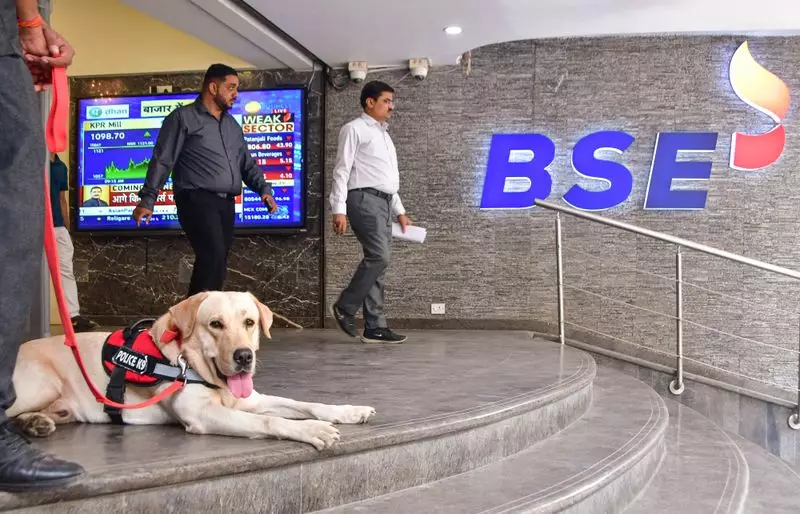
Indian equity benchmarks faced a steep decline on Wednesday, with the benchmark Sensex tumbling nearly 1 percent in a broad-based sell-off that pushed it below the psychologically crucial 82,000 level. The sell-off was driven by a combination of domestic and global factors, leading to heightened volatility and investor caution.
Market Performance and Key Indices
The BSE Sensex closed at 81,997.71, down by 0.92 percent or 759 points, marking one of its worst sessions in recent weeks. Similarly, the Nifty 50 index also fell sharply, dropping 0.89 percent to settle at 24,801.60. The decline was widespread, with most sectoral indices trading in the red, reflecting broad-based selling pressure.
Factors Behind the Market Decline
Analysts attribute the market downturn to several key factors. Global cues played a significant role, with weak economic data from major economies and rising geopolitical tensions weighing on investor sentiment. Additionally, domestic concerns such as inflationary pressures, corporate earnings disappointments, and profit-booking after recent gains contributed to the sell-off.

The market is currently in a corrective phase, and investors are advised to remain cautious amid the volatility, said a market expert. The sell-off was particularly pronounced in banking, IT, and auto stocks, which were among the top losers during the session.
Sectoral Performance and Top Losers
All major sectoral indices on the BSE ended lower, with the BSE Bankex falling by 1.2 percent and the BSE IT index declining by 1.5 percent. Key stocks that dragged the indices down included HDFC Bank, Infosys, and Reliance Industries, each shedding over 1 percent in value.
- HDFC Bank: Down 1.8%
- Infosys: Down 1.5%
- Reliance Industries: Down 1.2%
- ICICI Bank: Down 1.1%
Investor Sentiment and Future Outlook
Market sentiment turned bearish as the sell-off intensified, with the advance-decline ratio skewing heavily in favor of declines. Over 2,000 stocks fell on the BSE, compared to only around 800 that advanced. The volatility index, India VIX, surged by 8 percent, indicating heightened fear among investors.
Looking ahead, market participants will closely monitor upcoming economic data, corporate results, and global developments for cues. Technical analysts suggest that if the Sensex fails to hold above the 81,500 support level, further downside could be expected in the near term.
- Monitor global economic indicators for direction.
- Watch for domestic inflation and policy announcements.
- Keep an eye on corporate earnings reports for sector-specific trends.
In summary, the Indian stock market's sharp decline underscores the fragile investor sentiment amid uncertain macroeconomic conditions. While short-term volatility may persist, long-term investors might view this as a buying opportunity in quality stocks, according to some financial advisors.