

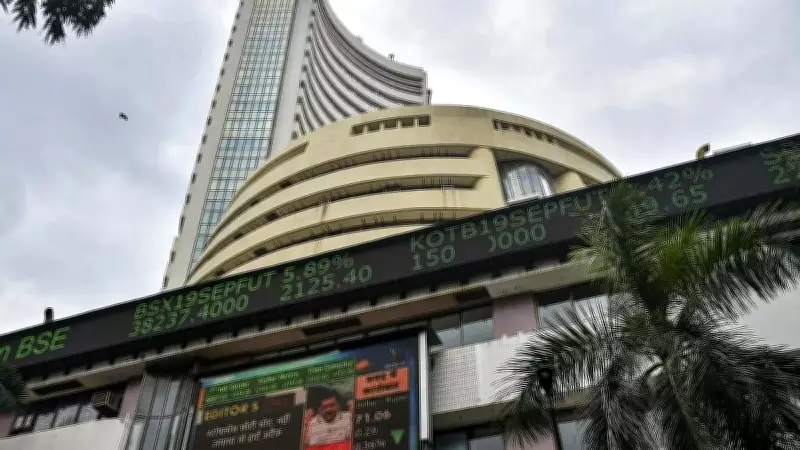
Indian Stock Market Experiences Sharp Decline as IT Sector Faces Heavy Selling Pressure
The Indian equity market witnessed a significant downturn on Wednesday, with the benchmark BSE Sensex plunging by 558.72 points, or 0.66%, to close at 83,674.92. This substantial drop was primarily fueled by a widespread sell-off in information technology (IT) shares, which have been underperforming due to various macroeconomic concerns and sector-specific challenges.
Intraday Volatility and Market Performance
During the trading session, the Sensex experienced heightened volatility, hitting an intraday low of 83,516.67 after tanking 716.97 points, or 0.85%, from its previous close. This sharp decline reflects the intense selling pressure that gripped the market, particularly in the technology sector, which has been a key driver of Indian stock market gains in recent years.
The broader market sentiment turned bearish as investors offloaded IT stocks amid fears of slowing global demand and potential earnings downgrades. The sell-off was not limited to large-cap stocks, with mid-cap and small-cap IT companies also facing significant downward pressure, contributing to the overall market weakness.

Factors Behind the IT Sector Sell-Off
Several factors contributed to the sharp decline in IT shares:
- Concerns about slowing technology spending in key international markets
- Apprehensions about potential earnings revisions for IT companies
- Global macroeconomic uncertainties affecting investor sentiment
- Sector rotation as investors move funds to other defensive sectors
The technology sector, which accounts for a substantial portion of the Sensex's composition, has been facing headwinds due to changing global economic conditions and shifting investor preferences. This has led to a reevaluation of growth prospects for Indian IT companies that rely heavily on international business.
Market Implications and Future Outlook
Market analysts suggest that this correction might present buying opportunities for long-term investors, though caution is advised given the current volatility. The Nifty 50 index also mirrored the Sensex's decline, falling in tandem with the broader market sentiment.
Financial experts are closely monitoring several key indicators that could influence market direction in the coming sessions:
- Quarterly earnings reports from major IT companies
- Global economic data and central bank policies
- Domestic economic indicators and corporate announcements
- Foreign institutional investor (FII) activity in Indian markets
The market's performance highlights the interconnected nature of global and domestic factors affecting Indian equities. As investors navigate this period of uncertainty, attention remains focused on corporate earnings, economic data, and policy developments that could provide direction to the markets in the weeks ahead.






