

Indian Stock Markets Stage Strong Recovery Amid Geopolitical Tensions
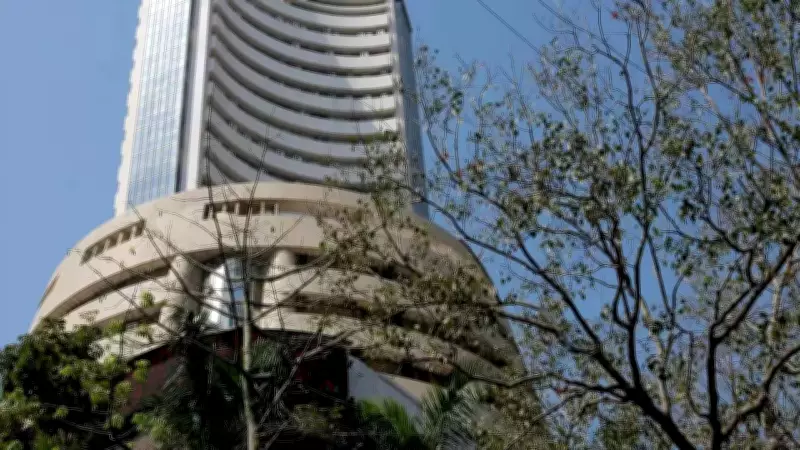
In a significant turnaround, the Bombay Stock Exchange's benchmark Sensex reversed its downward trajectory on Thursday, registering a robust gain of 900 points or 1.1% to close at 80,016 points. This recovery came after the index had plummeted by approximately 2,300 points over the previous two trading sessions, primarily driven by escalating tensions in West Asia following the outbreak of conflict.
Volatile Session Ends With Strong Rally
The trading day commenced on a positive note, with Sensex opening more than 400 points higher, buoyed by overnight gains in US markets. Throughout most of the session, the index exhibited considerable volatility, reflecting investor uncertainty. However, a powerful rally in the final hour propelled Sensex to close just below the day's peak of 80,304 points.
Mirroring this upward movement, the National Stock Exchange's Nifty index also closed 285 points or 1.2% higher at 24,766 points. According to official data, this substantial rally added approximately Rs 5.7 lakh crore to investors' wealth, elevating the Bombay Stock Exchange's total market capitalization to Rs 452.9 lakh crore.

Geopolitical Developments Drive Market Sentiment
Siddhartha Khemka, Head of Research for Wealth Management at Motilal Oswal Financial Services, highlighted that the Indian market snapped its losing streak due to improving geopolitical cues. "Investor sentiment received a significant boost after the United States announced comprehensive security and insurance guarantees for commercial shipping through the strategically vital Strait of Hormuz," Khemka noted in a research memorandum.
These guarantees include the potential deployment of military escorts for oil tankers, aimed at ensuring uninterrupted global energy supplies amidst ongoing tensions with Iran. The Strait of Hormuz serves as a critical maritime corridor, facilitating the daily transport of about 20% of the world's crude oil from Iran and other Gulf nations.
Iran's Diplomatic Signals and Market Impact
The late-session surge gained additional momentum following remarks from Iran's foreign minister, who indicated the country's readiness to engage in negotiations with the United States regarding its nuclear program. This diplomatic overture raised hopes for potential de-escalation in regional conflicts, although officials remain cautious given persistent tensions.
Khemka further elaborated that additional market support emerged from reports suggesting Iran might be exploring possible terms to conclude its conflict with the US and Israel. Since the war erupted on February 28, Iran's closure of this crucial trade and energy supply channel has triggered a global surge in crude oil prices, exceeding 10%.
Future Market Directions and Key Factors
Analysts and dealers emphasized that several critical factors will determine the future trajectory of Indian markets. These include the ongoing developments in the West Asia conflict, fluctuations in global crude oil prices, the strength of the Indian rupee against major currencies, and patterns of foreign fund flows.
The combination of US security assurances for commercial shipping and Iran's diplomatic signals created a favorable environment for market recovery, demonstrating how international geopolitical events directly influence domestic financial markets and investor confidence.






