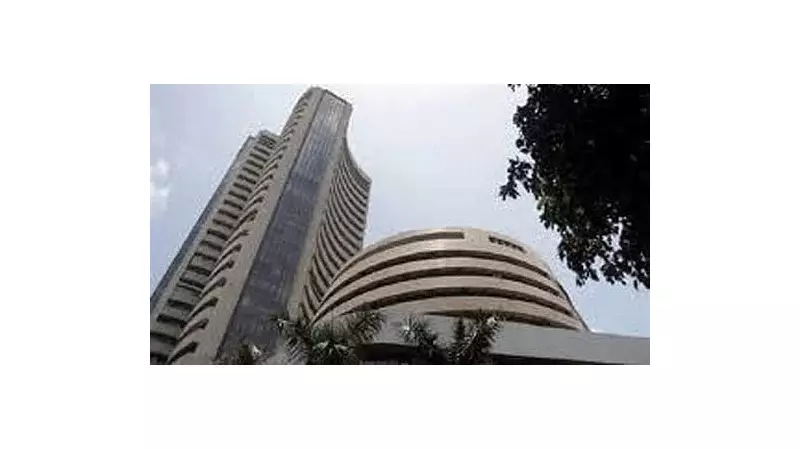
Indian equity markets experienced a significant downturn on Thursday, with benchmark indices plunging nearly 1% amid widespread selling pressure across sectors. The sell-off was broad-based, reflecting investor concerns and profit-booking activities in a volatile trading session.
Sensex Breaks Below 82,000 Mark
The benchmark BSE Sensex, which tracks 30 of India's largest and most actively traded stocks, slipped below the psychologically important 82,000 level during the trading session. This decline marked a notable retreat from recent highs and signaled growing caution among market participants.
Nifty 50 Records Substantial Losses
The broader 50-share NSE Nifty index witnessed a substantial decline of 241.25 points, representing a drop of 0.95 percent from the previous close. The index settled at 25,048.65 points, reflecting the intensity of the selling pressure that gripped the market throughout the trading day.

During intraday trading, the Nifty experienced even steeper losses, plunging 264.6 points or 1.04 percent to hit a session low of 25,025.30. This intraday volatility highlighted the nervous sentiment prevailing in the market, with investors opting to book profits amid uncertain market conditions.
Market Analysis and Sectoral Performance
The widespread sell-off affected multiple sectors, with banking, financial services, and information technology stocks among the major contributors to the decline. Market analysts pointed to several factors that may have triggered the downturn, including:
- Profit-booking after recent market gains
- Global market cues and international economic concerns
- Valuation concerns at current market levels
- Sector-specific developments affecting investor sentiment
The trading volume remained substantial throughout the session, indicating active participation from both institutional and retail investors. Market breadth was negative, with declining stocks outnumbering advancing ones by a significant margin.
Investor Sentiment and Future Outlook
Market experts suggest that while the correction was sharp, it may represent healthy profit-taking in an otherwise bullish market environment. The decline below key psychological levels like 82,000 for Sensex and 25,000 for Nifty could potentially create buying opportunities for long-term investors.
Technical analysts are closely watching support levels for both indices, with the next crucial support for Nifty seen around the 24,900-25,000 range. The market's ability to hold these levels will be crucial in determining the short-term direction of Indian equities.
The widespread nature of the sell-off suggests that the correction was not limited to specific sectors but reflected broader market concerns. Investors are advised to monitor global developments, domestic economic indicators, and corporate earnings announcements for further market direction.