

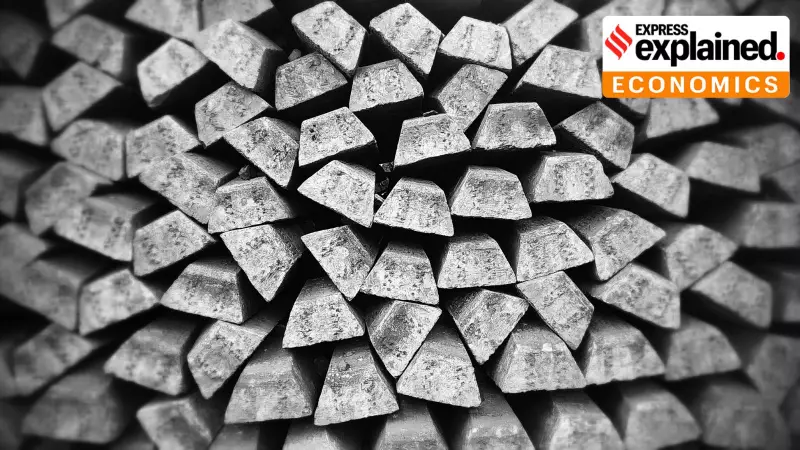
The year 2025 witnessed a historic bull run not just for gold, but spectacularly for its often-overlooked cousin, silver. While gold cemented its safe-haven status, silver prices surged by an astonishing over 160% throughout the year, dramatically outperforming many asset classes. This meteoric rise was fueled by a unique confluence of factors: relentless industrial demand, acute physical shortages, and geopolitical maneuvers by major economies like the US and China.
The Perfect Storm: Industrial Demand Meets Geopolitical Flashpoints
The story of silver in 2025 is distinct from gold. Unlike gold, which is largely hoarded for value, silver is a critical industrial metal. Its inherent properties make it indispensable for manufacturing key technologies of the future, including solar panels, electric vehicle batteries, and electronics. As these sectors expanded rapidly, industrial demand for silver climbed steadily for years, while supply struggled to keep pace.
Supply constraints are inherent to silver because it is primarily mined as a byproduct of other metals like zinc, lead, and copper. This means its production doesn't automatically increase when its price rises. For several years, this supply-demand mismatch had been building, setting the stage for a price explosion.

Geopolitics lit the fuse. In a significant move, the United States added silver to its official list of critical minerals in November 2025. This list, revised every three years by the US Geological Survey (USGS), guides government funding and trade policy, including potential tariffs under Section 232 reviews. The designation immediately heightened silver's strategic profile, triggering preemptive stockpiling.
Fears of future trade restrictions caused silver inventories in US warehouses to balloon. Data from the CME Group showed holdings skyrocketing to 531 million ounces by late September, a 74% annual increase. Even by year-end, stockpiles remained at an elevated 449 million ounces, roughly triple normal levels.
The Domino Effect: Shortages, FOMO, and Investor Frenzy
The massive stockpiling in the US created a severe physical shortage in other key trading hubs, most notably in London, where global benchmark prices are set. By October 2025—coinciding with the Diwali festival period—the scarcity of deliverable silver in London caused spot prices to spike violently.
This global shortage rippled into India, a traditional powerhouse for gold demand. Indian investors, sensing an opportunity, piled into silver through Exchange Traded Funds (ETFs). Data from the Association of Mutual Funds in India (AMFI) revealed a staggering trend. In September 2025 alone, inflows into silver ETFs hit Rs 5,342 crore, while gold ETF inflows were Rs 8,363 crore. Together, precious metal ETFs captured nearly 72% of all passive fund flows that month.
The mechanism of ETFs intensified the squeeze. When mutual fund houses create new ETF units, they must buy physical silver. This created a self-reinforcing cycle: rising prices fueled fear of missing out (FOMO), leading to more ETF purchases, which required more physical metal, further straining supply and pushing prices even higher.
The situation became so extreme that by mid-October, domestic silver prices in India were trading at a 5-12% premium to international rates. The shortage prompted some asset managers, like Groww Mutual Fund, to temporarily halt fresh lump-sum investments in their silver ETF Fund of Fund to protect investors from buying at artificially high premiums.
Market Turbulence and the Outlook for 2026
The silver market's volatility was on full display in December. After a nearly 10% single-day drop on Monday, prices roared back on Tuesday, ending the month with a gain of over 30%. This wild swing underscored the metal's speculative fervor.
Analysts point to broader macroeconomic trends that benefitted all precious and industrial metals in 2025. The US Federal Reserve's interest rate easing cycle and a weakening US dollar (down about 10% for the year) drove investors towards tangible 'real assets' like gold, silver, and copper—a strategy known as the 'debasement trade'. Global trade tensions further dented confidence in traditional financial assets.

Copper also mirrored silver's rise, breaching $12,000 per tonne for the first time due to similar concerns over US tariffs and supply shortages.
Looking ahead, institutions like ANZ Bank maintain a bullish view for silver and gold into the first half of 2026. They cite continued easy monetary policy, fiscal concerns, and geopolitical risks as supportive factors. However, they also caution that volatility will remain exceptionally high following the historic price surge of 2025, reminding investors that the white metal's ride is far from smooth.





