

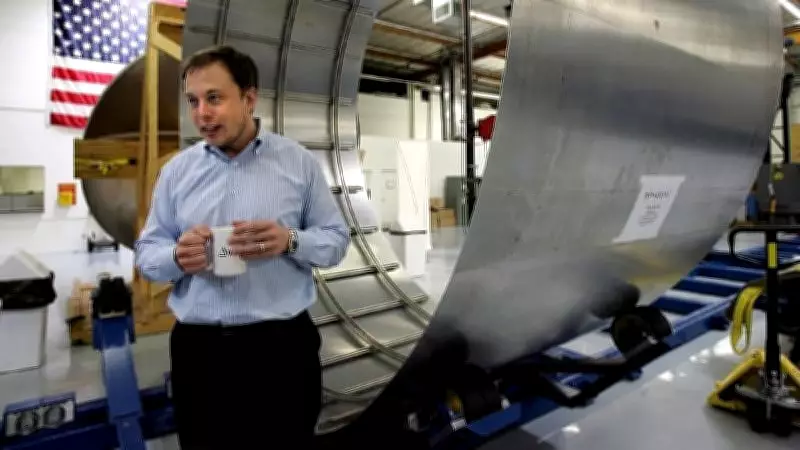
SpaceX's unlikely journey from a far-out idea to a $2 trillion juggernaut has been marked by relentless innovation and resilience. Elon Musk and his team of executives and engineers overcame numerous hurdles, solving problems as varied as the physics of rockets and the connection of multiple satellites in orbit.
The Visionary Dream
What began as a bold concept in the early 2000s has transformed into a powerhouse of the aerospace industry. Musk's vision of making space travel affordable and accessible seemed improbable to many, but SpaceX's trajectory proved otherwise.
Overcoming Technical Hurdles
The company faced significant technical challenges, from developing reusable rocket technology to deploying a vast satellite network. Each obstacle required innovative solutions and a culture of problem-solving that became SpaceX's hallmark.

- Rocket Physics: Engineers mastered the complexities of reusable rockets, dramatically reducing costs.
- Satellite Connectivity: The Starlink project required precise coordination of thousands of satellites in low Earth orbit.
- Funding and Support: Despite early skepticism, Musk's persistence attracted critical investments and contracts.
A $2 Trillion Valuation
SpaceX's valuation reflects its dominance in the space industry, driven by commercial launches, government contracts, and the Starlink broadband service. The company's success has reshaped global space exploration and communications.
As of June 2026, SpaceX continues to push boundaries, with plans for Mars missions and further satellite expansions. The journey from a far-out idea to a juggernaut is a testament to human ingenuity and determination.






