

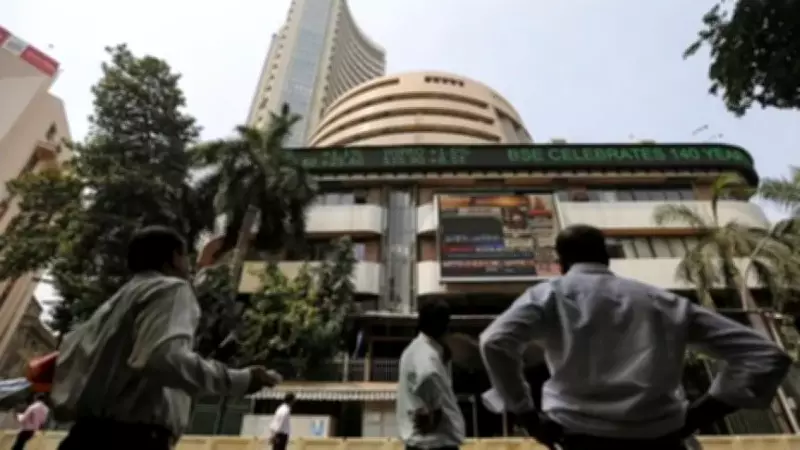
Indian Stock Markets Open with Cautious Optimism on February 6, 2026
The Indian stock market commenced trading on Thursday, February 6, 2026, with a tone of cautious optimism as investors closely monitored key domestic and global factors. The opening bell rang against a backdrop of anticipation for the Reserve Bank of India's Monetary Policy Committee (RBI MPC) meeting, which is set to conclude later in the day. Market participants are keenly awaiting the committee's decision on the repo rate, a critical benchmark that influences borrowing costs and economic activity across the nation.
Key Factors Influencing Market Sentiment
Several pivotal elements are shaping the trading environment on this significant day. The GIFT Nifty, which serves as an early indicator of market direction, provided initial cues that suggested a mixed to positive opening for domestic indices. This futures contract, traded on the Gujarat International Finance Tec-City exchange, often reflects overnight global market movements and sets the tone for the day's trading session in India.
Investor attention is heavily focused on the outcome of the RBI MPC meeting. The committee's deliberations are centered on assessing inflationary pressures, economic growth prospects, and global financial conditions. Any decision regarding the repo rate—whether to maintain, increase, or decrease it—will have immediate repercussions for equity markets, banking stocks, and broader investor confidence. Historically, rate decisions have triggered volatility, making this a high-stakes event for traders and long-term investors alike.

Stocks to Watch in Today's Trading Session
Amid the overarching macroeconomic narrative, specific stocks are drawing significant attention from market analysts and participants. Here are some key players under the spotlight:
- NTPC Limited: As a major player in the power sector, NTPC's performance is often viewed as a barometer for industrial demand and energy consumption trends. Any announcements related to government policies or operational updates could impact its stock price.
- Tata Steel: This steel giant is sensitive to global commodity prices, domestic demand cycles, and regulatory changes. Investors are monitoring its production reports and any guidance on future earnings, especially in light of infrastructure spending and construction activities.
- Bajaj Finance: In the financial services space, Bajaj Finance is a key stock to watch due to its exposure to consumer lending and retail finance. The RBI's rate decision could directly affect its borrowing costs and profitability, making it a focal point for sectoral analysis.
- Kotak Mahindra Bank: As one of India's leading private sector banks, Kotak Bank's stock movement often reflects broader banking sector health. Market participants are evaluating its asset quality, loan growth, and response to monetary policy changes.
Global and Domestic Context
The trading day is not occurring in isolation; it is influenced by a confluence of global and domestic factors. Internationally, trends in major markets like the US, Europe, and Asia are providing cues, with particular attention to central bank policies abroad that might mirror or contrast with the RBI's stance. Domestically, recent economic data releases, corporate earnings reports, and geopolitical developments are adding layers to the market narrative.
Investors are advised to maintain a balanced approach, considering both short-term volatility around the RBI announcement and long-term fundamentals of the Indian economy. The market's reaction post-MPC meeting will likely set the tone for trading in the coming sessions, with sectors like banking, real estate, and automobiles being particularly sensitive to interest rate changes.
In summary, February 6, 2026, marks a pivotal day for Indian equities, with the stock market opening cautiously as all eyes turn to the RBI MPC meeting. The decisions made today could ripple through portfolios, influencing everything from blue-chip stocks to broader economic sentiment. As always, staying informed and agile is key in navigating these dynamic market conditions.






