

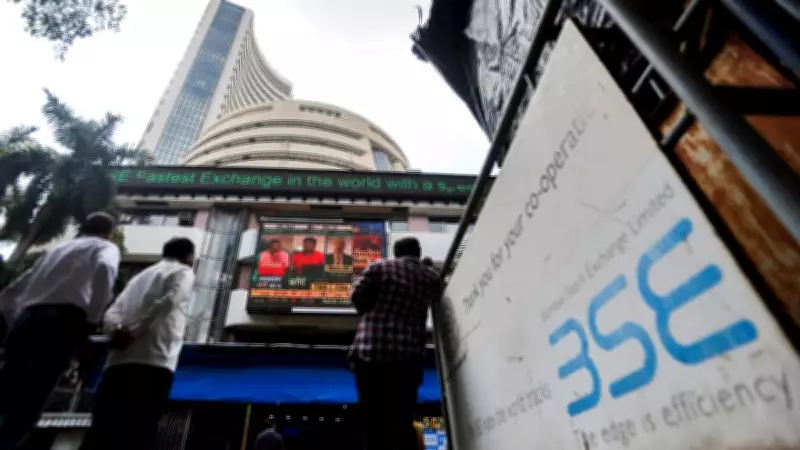
Indian stock markets experienced a significant downturn during the early trading session on Friday, abruptly halting a three-day consecutive rally that had previously buoyed investor sentiment. The benchmark indices, Sensex and Nifty, both recorded substantial losses as market participants engaged in profit-booking activities, capitalizing on the recent upswing.
Market Performance Overview
The Sensex, India's premier stock index, plummeted by over 500 points in the initial hours of trading, reflecting a broad-based sell-off across multiple sectors. Similarly, the Nifty 50 index also witnessed a notable decline, dropping below key psychological levels. This reversal comes after a period of sustained gains, where the markets had climbed steadily over the past three sessions, driven by positive domestic and international factors.
Factors Contributing to the Decline
Several elements contributed to this sudden market correction. Profit-booking emerged as a primary driver, with investors opting to secure profits following the recent rally. Additionally, global market cues played a crucial role, as mixed signals from international bourses influenced trading behavior. Concerns over inflationary pressures and potential interest rate hikes by central banks worldwide also weighed on investor confidence, leading to cautious trading.

Sectoral Performance and Key Stocks
The decline was widespread, affecting various sectors. Banking and financial stocks, which had been leading the previous rally, were among the hardest hit. Information technology and automobile sectors also faced selling pressure. Notable stocks such as Reliance Industries, HDFC Bank, and Infosys saw significant drops in their share prices, contributing to the overall market downturn.
Expert Analysis and Market Outlook
Market analysts attribute this correction to a natural consolidation phase after the recent upswing. They emphasize that such fluctuations are common in volatile markets and may present buying opportunities for long-term investors. However, experts advise caution, recommending that investors monitor global economic indicators and domestic policy developments closely. The overall market outlook remains cautiously optimistic, with expectations of stability returning in the coming sessions as fundamentals reassert themselves.
In summary, the Indian stock markets' early trade plunge highlights the inherent volatility and dynamic nature of equity investments, underscoring the importance of strategic planning and risk management in navigating such market movements.






