

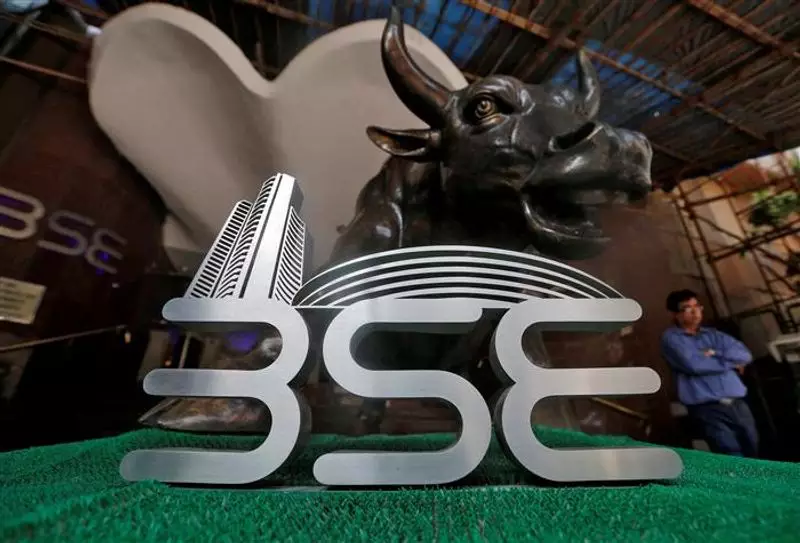
The Indian stock market witnessed a significant erosion in wealth last week, as the combined market capitalisation of the country's nine most valued companies plummeted by a staggering Rs 2.51 lakh crore. This sharp decline reflects the broader bearish sentiment that gripped the equity markets, driven by a combination of global economic uncertainties and domestic factors.
Reliance Industries Emerges as the Biggest Laggard
Among the top performers, Reliance Industries Limited (RIL) bore the brunt of the sell-off, experiencing the most substantial drop in its market valuation. The conglomerate's market cap took a severe hit, contributing significantly to the overall loss. This downturn for RIL comes amid fluctuating crude oil prices and concerns over its various business segments, including telecommunications and retail.
Other Major Contributors to the Decline
The market capitalisation plunge was not isolated to Reliance Industries alone. Several other blue-chip companies also saw their valuations shrink during the week. The list includes:

- Tata Consultancy Services (TCS), which faced pressure due to IT sector headwinds.
- HDFC Bank, impacted by broader banking sector challenges.
- Infosys, mirroring the struggles in the technology space.
- ICICI Bank, as financial stocks remained under scrutiny.
- Hindustan Unilever, with consumer goods facing demand concerns.
- State Bank of India (SBI), reflecting volatility in public sector banking.
- Bharti Airtel, amid competitive pressures in telecom.
- ITC, which also contributed to the overall decline.
Broader Market Context and Implications
The collective loss of Rs 2.51 lakh crore highlights the vulnerability of even the largest and most stable companies during market downturns. This decline occurred against the backdrop of a weak performance in key indices like the BSE Sensex and Nifty 50, which faced selling pressure from both domestic and international investors.
Factors such as rising inflation, interest rate hikes by central banks, and geopolitical tensions have created an environment of caution, leading to profit-booking and reduced risk appetite. The drop in market cap for these top firms underscores the interconnectedness of global economic events with Indian equities, affecting investor confidence and portfolio values.
Looking Ahead: Market Recovery Prospects
While the immediate outlook may seem challenging, market analysts suggest that such corrections are part of normal market cycles. The resilience of India's economic fundamentals, coupled with strong corporate earnings in some sectors, could pave the way for a recovery. Investors are advised to focus on long-term strategies and diversify their holdings to mitigate risks associated with such volatility.
In summary, the Rs 2.51 lakh crore erosion in market capitalisation among India's top nine firms serves as a stark reminder of the dynamic nature of stock markets. With Reliance Industries leading the decline, this episode emphasises the need for vigilant investment approaches in uncertain times.






