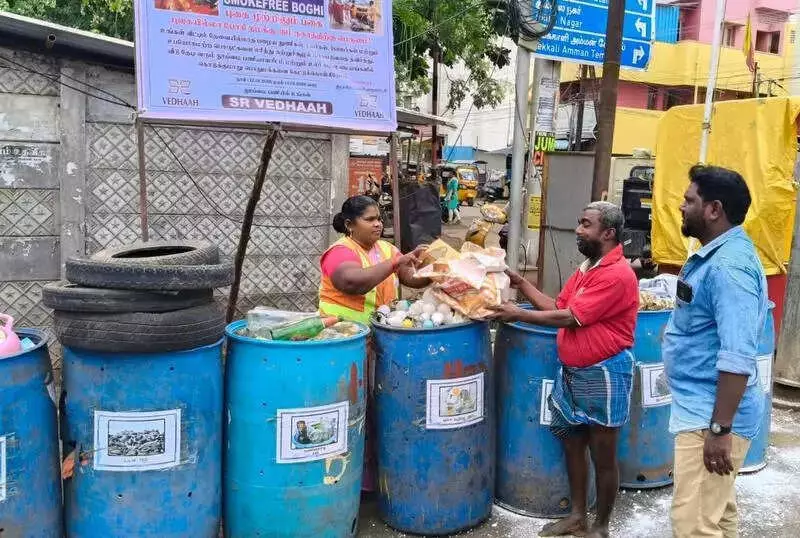
Trichy Takes Action for a Cleaner Bhogi Celebration
The Trichy corporation has launched a proactive initiative to ensure a smoke-free Bhogi festival this year. Instead of burning discarded items in traditional bonfires, the urban local body is focusing on recycling and reusing waste. This effort directly addresses environmental concerns linked to the Pongal celebrations.
Targeting Vulnerable Areas with Resource Recovery
Based on past incidents of waste burning, the corporation identified vulnerable spots across the city. It established ten resource recovery centres at these locations. The local body deployed ten mini trucks to collect discards from households and these centres.
More than fifty sanitary workers are involved in this special drive. They specifically target mattresses, clothes, blankets, and tyres. These items often end up in bonfires, contributing to air pollution.

Scientific Waste Management for a Healthier City
Trichy city generates an average of four hundred fifty tonnes of municipal solid waste daily. The waste undergoes segregation at thirty-eight micro compost centres. Biodegradable waste converts into manure, while recyclable materials get sold. Some inert waste goes to the Ariyamangalam yard.
During Bhogi in previous years, the corporation observed a slight impact on the city's air quality index due to open burning. To prevent further deterioration, this new drive collects discards at the doorstep and through designated centres.
Kishore Mohan, operations head at SR Vedhaah, the solid waste management outsourcing partner, explained the rationale. "During Pongal, families engage in mass house cleaning and abandon old household items on roads. Instead of burning or illegal disposal, dedicated teams will collect this waste to celebrate a smoke-free Bhogi," he said.
Detailed Recycling and Disposal Process
The corporation has a clear plan for processing the collected materials:
- Plastic, metal, and glass bottles will go to recycling units via scrap vendors.
- Mattresses, footwear, and tyres will be sent to a private cement production unit in Ariyalur.
- Non-recyclable and non-saleable items will move to a cement factory for safe disposal.
Trucks will transport segregated waste from the resource recovery centres to the cement plant. The cement manufacturing unit will use collected waste like leather, rubber, and non-reusable clothes as refuse-derived fuel. This fuel powers furnaces in cement production, giving waste a productive second life.
E-waste generated during the cleanup will go to dedicated e-waste management agencies. The local body expects to handle thirty to fifty tonnes of non-recyclable and non-reusable waste through these scientific methods.
Community Engagement and Extended Efforts
The corporation placed dozens of barrels as bins at all ten resource recovery centres. Residents can stop by and dump their waste conveniently. Sanitary officials are sensitizing people during routine waste collection to report bulk waste.
A sanitary official highlighted the strategy. "By collecting such waste at source and through RRCs, discarded items will not be available to burn in bonfires on Bhogi day," he stated. The drive will continue until Wednesday.
Additionally, gently used and reusable items like toys, clothes, and blankets will find a new home. They will be placed on the wall of kindness facility on Allithurai Road, promoting reuse within the community.
The resource recovery centres cover vulnerable areas and vacant spaces prone to littering and bonfires. This comprehensive approach aims to eliminate waste burning entirely during the festival.