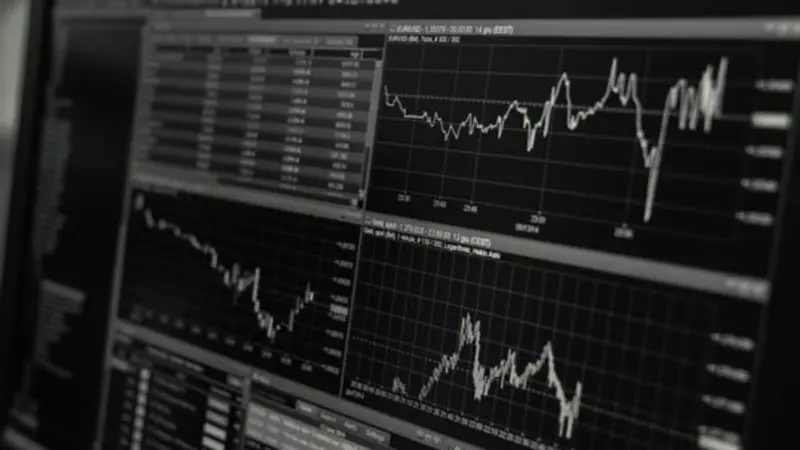
Wall Street's primary stock indices began the final trading week of the year on a downward trajectory this Monday. The retreat was primarily driven by heavyweight technology stocks, which pulled back after their recent rally that had propelled the S&P 500 to a historic peak last week.
Tech and AI Stocks Lead the Decline
The information technology sector emerged as the biggest drag on the S&P 500 index. A majority of technology and artificial intelligence-related shares witnessed selling pressure. Chipmaker giant Nvidia dropped 1.5%, while data analytics firm Palantir Technologies shed 1.6%. Electric vehicle maker Tesla, which hit a record high last week, also fell sharply by almost 2.4%, weighing on the consumer discretionary sector.
Despite the day's weakness, market strategists view this as a temporary pause rather than a trend reversal. "This is not the beginning of the end of the tech dominance, it'll turn out to be a buying opportunity," stated Hank Smith, director and head of investment strategy at Haverford Trust. He emphasized that top technology names, excluding Tesla, possess reasonable valuations considering their robust growth rates and strong business moats.

Key Market Movers and Sector Performance
By late afternoon trading on December 29, the market numbers painted a clear picture of the pullback:
- The Dow Jones Industrial Average fell 187.31 points, or 0.38%, to 48,523.66.
- The S&P 500 lost 24.32 points, or 0.35%, to 6,905.68.
- The Nasdaq Composite declined by 130.47 points, or 0.55%, to 23,462.63.
On the sectoral front, materials stocks slipped by 1%. Precious metal miners were particularly weak as silver prices dropped sharply after briefly crossing the $80-per-ounce mark for the first time. Gold also retreated after posting consecutive record highs last week. Conversely, the energy sector was the top performer, gaining 0.9%, buoyed by a 2% rise in crude oil prices.
In notable individual stock action, DigitalBridge's shares surged 9.7%. The jump came after Japan's SoftBank Group announced a deal to acquire the digital infrastructure investor in a transaction valued at approximately $4 billion.
Annual Gains Intact Despite Volatility
Monday's dip comes after a powerful rally that has positioned all three major indexes for significant yearly advances. The bull market, which commenced in October 2022, has remained resilient. This strength is underpinned by sustained optimism surrounding artificial intelligence, anticipated interest rate cuts by the Federal Reserve, and a surprisingly sturdy US economy.
All three main indexes are set to post their third consecutive yearly gain. The S&P 500 has climbed about 17% this year alone, with the AI frenzy helping it outperform Europe's STOXX 600 index. Both the Dow and the S&P 500 are also on track for their eighth straight month of gains.
Looking ahead, some investors are watching for a potential "Santa Claus rally"—a seasonal trend where stocks often rise in the last five trading days of the year and the first two of January. With expectations of continued global economic expansion and further monetary policy easing, analysts like Goldman Sachs's chief global equities strategist Peter Oppenheimer suggest a major equity market setback is unlikely barring a recession.
Trading volumes are expected to remain subdued in this holiday-shortened week, with US markets closed on Thursday for New Year's Day. Investors will also monitor the minutes from the Fed's latest policy meeting and weekly jobless claims data for further direction.