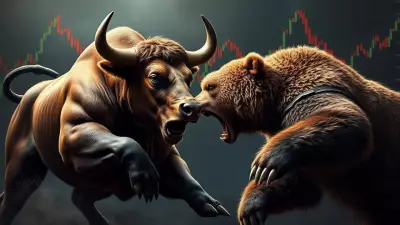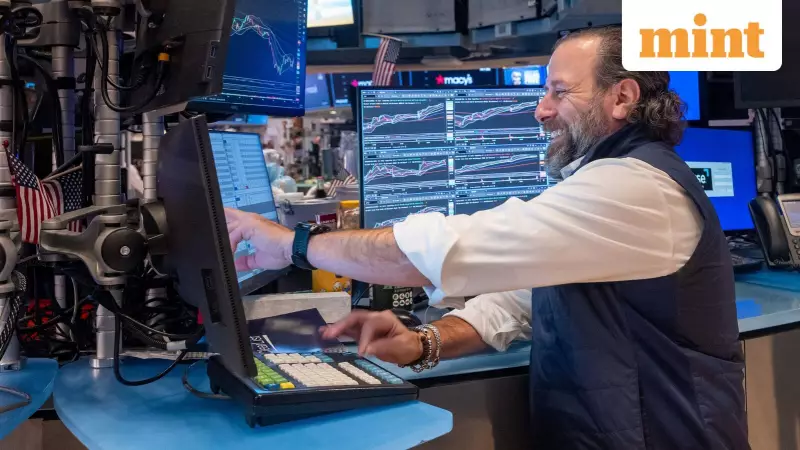
Global markets are entering the final month of 2025 with renewed optimism, as Wall Street stages a powerful comeback from a turbulent November. The S&P 500 index has not only recovered from one of its worst monthly performances in over a decade but is now charging towards a significant milestone, fueled by expectations of supportive monetary policy and a resilient US economy.
A Remarkable Reversal and the Road to 7000
The past week witnessed one of the strongest rallies for US stocks in nearly six months, completely reversing the negative sentiment that dominated much of November. This surge has propelled the S&P 500 to close at 6849.09 after a shortened trading session, putting the psychologically important 7000-point threshold firmly within sight. This represents a double-digit year-to-date gain for the benchmark index, an impressive feat considering it fell nearly 19% during a seven-week period ending April 9.
Jeffrey Buchbinder, Chief Equity Strategist at LPL Financial, highlighted the significance of this recovery. He described the market's powerful rebound post-April as "one of the most powerful messages in investing." He noted that historical patterns show double-digit intra-year declines often culminate in double-digit annual gains, a lesson for investors navigating market volatility.

The Dual Engines: Fed Policy and AI Confidence
A major catalyst for the current bullish sentiment is the high probability of a Federal Reserve interest rate cut in December. Market tools from CME Group currently price in an 87% chance of a quarter-point reduction when policymakers meet on December 9-10. This expectation is bolstered by recent softer economic data, including weaker private-sector jobs growth, retail sales figures, and a dip in consumer confidence.
"Stocks are celebrating the likelihood of a December rate cut, as it’s becoming clear that the labor market is the priority for the Federal Reserve," said Paul Stanley, Chief Investment Officer at Granite Bay Wealth Management. He added that the worst volatility for 2025 is likely over, with investors now looking ahead to 2026 and pricing in continued earnings growth driven by artificial intelligence.
Confidence in AI as a transformative, long-term force remains high among strategists. Jim Lebenthal of Cerity Partners stated, "We are increasingly confident that AI represents a generational technological shift with broad and lasting economic impact." He clarified that recent selective movements within tech stocks, where companies with clear AI profitability are rewarded, do not indicate a bubble bursting but rather a market maturing.
Broadening Gains and Lingering Risks
The character of the market advance is also showing positive signs of broadening. Leadership is rotating away from a heavy reliance on the 'Magnificent Seven' tech stocks towards sectors like healthcare, materials, and consumer discretionary. This sector rotation suggests a healthier, more sustainable rally. Furthermore, favorable seasonal trends are in play, with historical data from Bank of America indicating the second half of December is typically the second-strongest period of the year for US stocks.
However, significant risks loom on the horizon. The US Supreme Court is expected to rule soon on the legality of tariffs imposed under the Trump administration using the International Emergency Economic Powers Act. A ruling before year-end could disrupt market assumptions about tariff levels and affected products heading into 2026. Additionally, President Trump is set to name his chosen successor for Fed Chair Jerome Powell in the coming weeks, with markets sensitive to any candidate perceived as overly accommodating to political pressure for lower rates.
Retail investor sentiment, as measured by the American Association of Individual Investors, turned more cautious in November, with net bearishness rising to 42.7%. However, analysts like Ruben Dalfovo of Saxo Bank interpret this as a reaction to the November dip rather than a fundamental loss of faith, especially with the historically supportive December period ahead.

As Wall Street heads into the final 16 trading days before the Christmas break, the setup appears solid, supported by lower Treasury yields and receding market volatility. The stage is set for a dramatic finish to a remarkable year of recovery and growth.