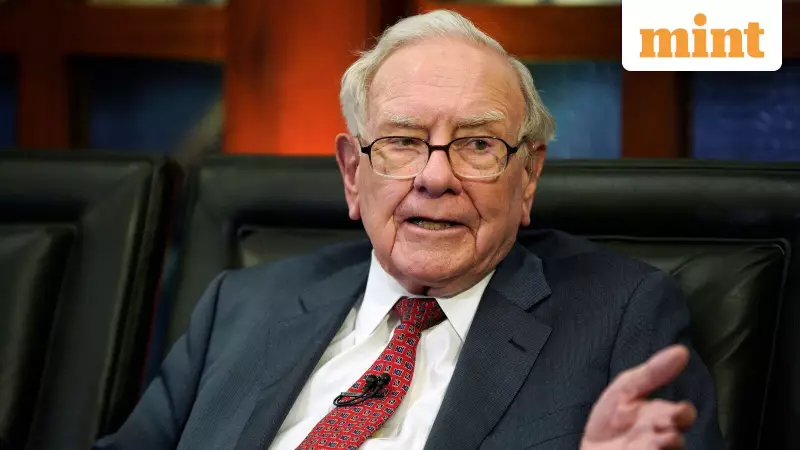
Legendary investor Warren Buffett, the architect behind the trillion-dollar conglomerate Berkshire Hathaway, has made a startling confession about the company's origins. He once labelled Berkshire as the "dumbest stock" he ever purchased. This revelation offers a rare glimpse into how even the most celebrated investors can make costly emotional decisions.
The Costly Emotional Decision
The story begins in 1962, when Buffett first bought shares of Berkshire Hathaway, which was then a struggling textile manufacturer. By 1965, he had taken control of the firm. The initial investment was not part of a grand strategy but a reaction to a perceived slight. In 1964, after accumulating a significant stake, Buffett expected the company's management to buy back his shares at a promised price of $11.50 per share through a tender offer. When they offered a lower price instead, Buffett got angry.
That anger led to a fateful choice. Instead of selling, he decided to buy more shares and seize control of the entire company. This emotional response, as Buffett later admitted, trapped him in a declining textile business with no promising future. For nearly 20 years, he tried to revive the textile operations, which consistently dragged down Berkshire's overall performance, acting like an anchor on its potential.

The Billion-Dollar Lesson in Hindsight
Buffett's regret is not about buying the stock initially, but about staying invested in a poor business for too long. In a 2010 conversation with CNBC's Becky Quick, he reflected that the capital tied up in the failing textile mills could have been deployed far more effectively. He estimated that if he had used the same money to build an insurance company from scratch, Berkshire would be worth significantly more today.
This episode became a cornerstone lesson in his investment philosophy: it's better to buy a wonderful company at a fair price than a fair company at a wonderful price. The Berkshire textile saga taught him the high cost of emotional investing and the importance of exiting failing ventures promptly.
Buffett's Core Investing Principles
Despite this early misstep, Buffett honed a legendary investment style based on long-term value. His principles, which helped build Berkshire into a $1 trillion empire, are clear:
- Focus on Quality: Shift from seeking cheap stocks to buying great businesses with durable competitive advantages.
- Understand the Business: Only invest in companies whose operations and industry you thoroughly comprehend.
- Strong Fundamentals: Look for robust financials and high-quality management teams.
This philosophy will soon guide a new era for Berkshire. At the May annual meeting this year, Buffett announced his intention to step down as CEO at year's end, naming Greg Abel as his designated successor to steer the colossal firm forward.
The tale of Berkshire Hathaway's origins is a powerful reminder that in the world of investing, discipline must always trump emotion, a lesson Buffett learned the hard way but which shaped his unparalleled success.