

38 Indian Ships with 1,100 Seafarers Stranded in Persian Gulf Amid Escalating West Asia Conflict
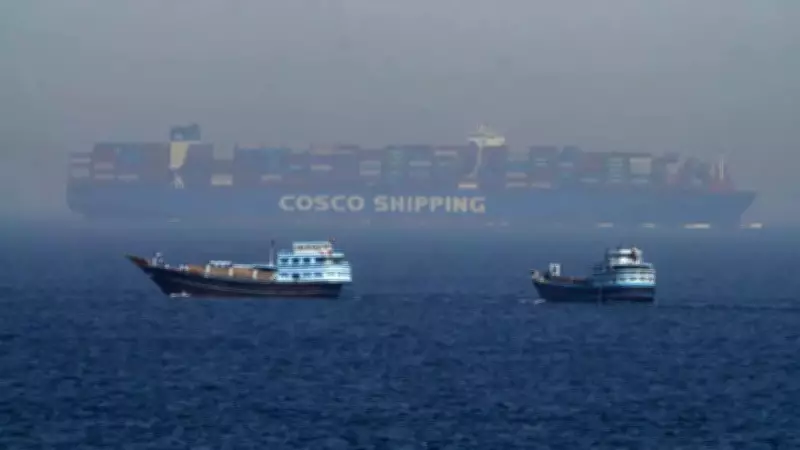
In a significant maritime crisis, thirty-eight Indian flagged ships, primarily transporting crude oil and liquefied natural gas (LNG), are currently stranded in the Persian Gulf. This alarming situation has emerged as tensions escalate in West Asia, directly impacting nearly 1,100 Indian seafarers on board these vessels.
Government Reviews Safety Measures as Casualties Reported
Shipping authorities have confirmed the tragic death of three Indian sailors and injuries to one other. These incidents occurred on foreign-flagged vessels during attacks off the Oman port. India, as the world's third-largest supplier of seafarers after the Philippines and China, has approximately 23,000 of its nationals working on various ships in the conflict-affected region at any given time. Ensuring their safety has become the government's top priority.
Shipping Minister Sarbananda Sonowal chaired an urgent review meeting on Tuesday, directing officials including the Director General of Shipping to implement immediate measures for the welfare and security of Indian seafarers and maritime assets. The DG Shipping clarified in an official statement that there have been no confirmed instances of casualty, detention, or boarding involving Indian-flagged vessels specifically.

Detailed Breakdown of Stranded Vessels and Regional Impact
During the ministerial briefing, officials revealed that twenty-four ships are stranded west of the Strait of Hormuz, with another fourteen stuck east of this critical maritime chokepoint. The DG Shipping confirmed four reported incidents involving Indian seafarers in the region, resulting in the three fatalities and one injury, all occurring on foreign-flagged ships.
The broader regional impact is severe:
- At least five tankers have sustained damage since the conflict began
- Approximately 150 ships are stranded around the Strait of Hormuz
- Shipping routes have been significantly disrupted, forcing container lines to suspend West Asia services
Major Shipping Disruptions and Port Congestion Emerge
The escalating tensions have forced several major container shipping lines to suspend services to West Asia entirely. Many vessels are being diverted via the Cape of Good Hope, a detour that adds substantial transit time, increases operational costs, and creates congestion at Indian ports.
Sunil Vaswani, Executive Director of the Container Shipping Lines Association (India), explained the current strategy: "Many lines have suspended West Asia services for safety reasons, while long-haul trade to the US, Europe, and Mediterranean harbors continues. Services going through Suez have rerouted via the Cape of Good Hope—transit time increases but safety improves."
Vaswani highlighted the immediate operational challenge: "Deploying more vessels on these longer routes significantly pushes up operational costs. Our immediate concern is cargo piling up at Indian ports as containers continue arriving, creating congestion."
Port Operations and Agricultural Exports Affected
Port authorities confirm that approximately 1,000 containers are currently stuck at Indian ports. They are coordinating closely with shipping lines to manage loading and unloading operations more efficiently. A shipping company official revealed that vessels originally bound for the Gulf are now being terminated at alternative ports including Fujairah, Sohar, or Khor Fakkan, from where cargo must be transported overland.
The disruption extends to agricultural exports, with exporter-supplier Sanjay Pansare reporting that around 150 containers of perishable goods—including bananas, pomegranates, watermelons, and onions—are currently stranded due to the shipping crisis. This represents a significant economic impact on India's agricultural export sector.
As the situation develops, the Indian government continues to monitor the safety of its seafarers while the shipping industry adapts to these unprecedented disruptions in one of the world's most critical maritime regions.






