

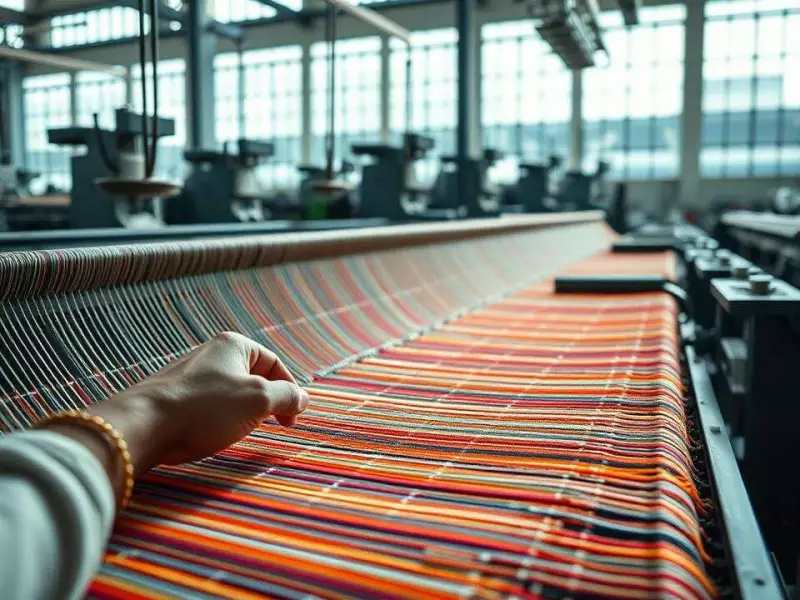
As Indian garment factories power up their machines for the upcoming US fall-winter season, a dark cloud of uncertainty hangs over the industry. The sector is bracing for a potential new shock: the threat of a staggering 500% tariff from the United States, which could cripple export prospects and factory operations.
Buyer Sentiment Shifts Amid Tariff Fears
Exporters report a sharp and sudden change in buyer sentiment over recent weeks. Vijay Agarwal, Chairman of the Cotton Textiles Export Promotion Council, revealed that international clients are now hesitant. "Buyers who were earlier considering shifting some orders to India no longer want to come," Agarwal stated. "They have started writing to us, asking what happens if this 500% tariff is imposed, who will take the guarantee."
This fresh anxiety emerges before the industry has fully recovered from the 50% tariffs imposed by the US in August last year. Those earlier duties forced exporters into survival mode, characterized by heavy discounting, diverting unused capacity to domestic brands, and rerouting overseas orders through neighboring countries.

The Looming Threat of a 500% Duty
The uncertainty intensified after US Senator Lindsey Graham indicated that President Donald Trump had cleared a Bill proposing a massive 500% tariff on countries that continue trading with Russia. For India's textile and apparel sector, the stakes are enormous. The US remains India's largest market, absorbing 28–30% of its total apparel and textile exports. In the 2024-25 fiscal year, India shipped goods worth $37 billion in this category.
Data from the Confederation of Indian Textile Industry paints a grim picture of the sector's struggle post the 50% tariff. Between April and November 2025, apparel exports saw a meager growth of just 2.28%, while textile exports actually declined by 2.27%.
Factories Between a Rock and a Hard Place
Despite the palpable risks, manufacturers say stopping production is not an option. "The situation remains highly uncertain as far as US tariffs are concerned. But we still have to manufacture the goods. We will have to take the risk," explained Agarwal. This gamble is already costing companies dearly.
Rajat Jaipuria, Managing Director of Kolkata-based Rajalaxmi Cotton Mills, shared that his firm, which employs around 8,000 workers, absorbed losses to keep export lines active. "We offered deep discounts to keep exports going, hoping the issue would be resolved soon," he said. While production for the fall season has commenced, Jaipuria issued a stark warning: "A 500% tariff would effectively amount to an embargo. We are unsure how factories can continue operating if exports to the US stop."
Stress Signals and Search for Alternatives
The ripple effects are being felt across the supply chain. For the upcoming season, US buyers have reportedly begun scouting for sourcing alternatives outside India. Industry executives note that stress signals are becoming visible in key manufacturing hubs like Tiruppur, which contributes nearly 90% of India's knitwear exports.
The proposed punitive tariff, if enacted, threatens not just export numbers but the livelihoods of millions of workers in one of India's most critical employment-generating sectors. The industry now watches Washington with bated breath, hoping for a resolution before the new production cycles are locked in.






