

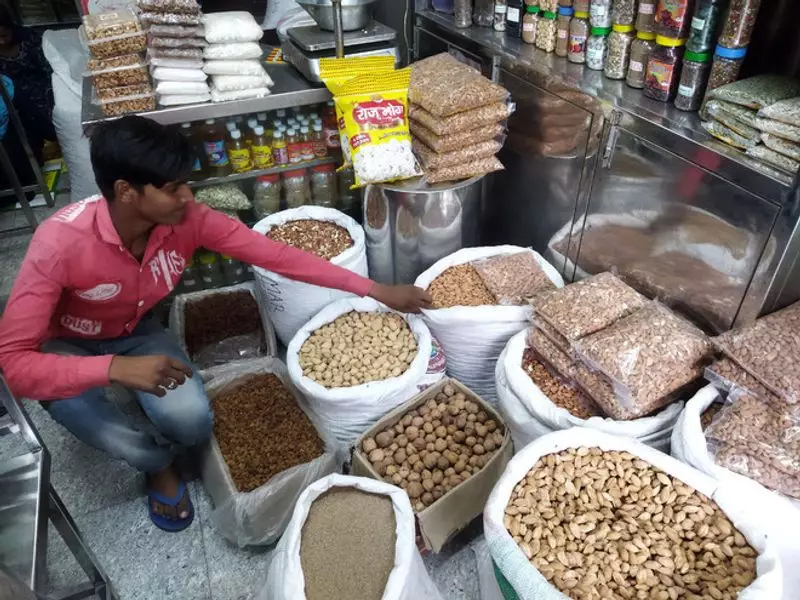
Fresh skirmishes along the Afghanistan-Pakistan border have sent shockwaves through the trading community in Amritsar, dealing a crushing blow to importers who rely on cross-border commerce for their livelihoods. The recent military clashes have effectively halted trade movement, creating massive uncertainty for businesses in Punjab's commercial hub.
Border Tensions Paralyze Cross-Border Commerce
The situation escalated dramatically when heavy exchanges of fire between Afghan and Pakistani forces began in early February 2024. According to reports from the ground, the conflict intensified significantly around February 4-5, 2024, particularly in the Durban area of Afghanistan's Paktia province and the Miranshah region in Pakistan. These hostilities have completely disrupted the vital trade routes that Indian importers depend on for goods from Afghanistan.
Amritsar-based traders, who primarily import dry fruits, spices, and fresh fruits through the Afghanistan-Pakistan land route, now face an uncertain future. The timing couldn't be worse, as many businesses were preparing for increased demand during the upcoming season. The complete stoppage of goods movement has left warehouses empty and orders unfulfilled across the region.

Amritsar Importers Bear the Brunt of Regional Conflict
The impact on Amritsar's business community has been immediate and severe. Importers who had placed substantial orders for Afghan goods now watch helplessly as their investments remain stuck across the border. The Attari-Wagah border, which serves as the crucial entry point for these goods into India, has seen a dramatic reduction in trade volume due to the ongoing conflict.
One local importer expressed the collective anxiety gripping the trading community: "When there's tension between the two countries, the first thing that gets affected is trade. Our consignments remain stuck, and we incur heavy losses." This sentiment echoes throughout Amritsar's markets, where businesses built around Afghan imports now face an existential threat.
The disruption comes at a particularly sensitive time for the dry fruit market, with traders anticipating high demand in the coming months. The price volatility caused by the border tensions threatens to destabilize the entire supply chain, affecting not just importers but also retailers and consumers across North India.
Long-term Implications for Regional Trade Dynamics
This isn't the first time that geopolitical tensions between Afghanistan and Pakistan have impacted Indian traders, but the current escalation appears particularly severe. The repeated border clashes highlight the fragile nature of regional trade networks and the vulnerability of businesses that depend on stable international relations.
Industry experts warn that continued instability could force Indian importers to reconsider their sourcing strategies. Some may explore alternative routes, though options remain limited and potentially more expensive. The situation also raises questions about the long-term viability of relying on trade routes that pass through conflict-prone regions.
The economic repercussions extend beyond immediate financial losses. The uncertainty created by these border skirmishes affects business planning, inventory management, and market stability. Many small and medium enterprises in Amritsar that specialize in Afghan products now face the difficult decision of whether to continue in this line of business or pivot to other commodities.
As the diplomatic and military situation remains fluid, Amritsar's trading community watches with bated breath, hoping for a swift resolution that would allow normal trade to resume. Meanwhile, the empty markets and idle warehouses stand as silent testimony to how regional conflicts can devastate local economies hundreds of miles away from the actual fighting.






