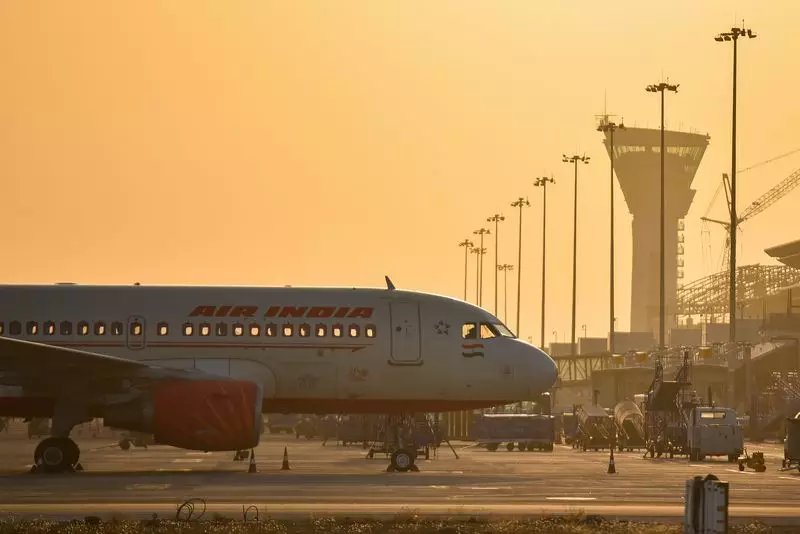
The aviation sector in India is currently witnessing a significant clash between Air India pilots and the country's aviation regulator. The Directorate General of Civil Aviation (DGCA) has proposed extending the maximum flight duty period for pilots from the current 10 hours to 12 hours, sparking intense debate and opposition from pilot unions.
The Regulatory Proposal and Pilot Opposition
In April 2024, the DGCA introduced a new draft regulation that would allow airlines to extend flight duty periods under specific conditions. The proposal suggests that pilots could be scheduled for up to 12 hours of flight duty during night operations, provided the airline implements adequate fatigue risk management systems. This represents a significant increase from the current limit of 10 hours for night flights.
The Indian Pilots' Guild (IPG) and the Indian Commercial Pilots Association (ICPA), representing Air India pilots, have strongly opposed this move. They argue that extending duty hours compromises flight safety and increases the risk of pilot fatigue. The pilot unions have expressed their concerns through formal letters to the DGCA, emphasizing that longer duty periods could lead to impaired cognitive function and decision-making abilities among crew members.

Safety Concerns and International Standards
Pilot unions have highlighted that the proposed extension goes against global aviation safety standards. Most international aviation authorities, including the Federal Aviation Administration (FAA) in the United States and the European Union Aviation Safety Agency (EASA), maintain stricter limits on flight duty periods. The unions argue that India should align with these international norms rather than relaxing existing regulations.
The controversy centers around the balance between operational efficiency and passenger safety. While airlines seek flexibility in crew scheduling to optimize operations and reduce costs, pilots emphasize that safety should never be compromised for commercial considerations. The debate has gained significance as Air India expands its international operations, including long-haul flights to the United States and Europe.
Industry Implications and Future Outlook
This regulatory dispute comes at a crucial time for Air India, which is undergoing a major transformation under the Tata Group ownership. The airline has ambitious expansion plans and is looking to increase its market share in both domestic and international routes. However, the ongoing tension with pilot unions could impact these plans if not resolved amicably.
The DGCA now faces the challenging task of balancing the interests of airlines seeking operational flexibility with the legitimate safety concerns raised by aviation professionals. The outcome of this debate will likely set important precedents for aviation safety standards in India and could influence how other airlines approach crew scheduling and fatigue management.
As the discussion continues, all stakeholders await the final decision from the aviation regulator. The resolution of this conflict will not only affect Air India's operations but could also establish new benchmarks for the entire Indian aviation industry regarding crew duty hours and safety protocols.