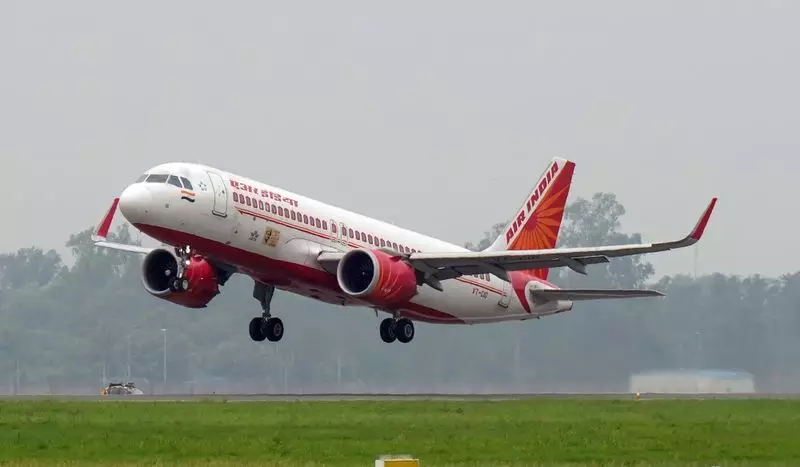
An Air India aircraft bound for Mumbai was forced to turn back and make an emergency landing at Delhi's Indira Gandhi International Airport on Wednesday after the crew reported a technical snag in one of its engines. The incident, involving flight AI865, has once again brought aviation safety into sharp focus.
Timeline of the Incident and Emergency Response
The flight, a Airbus A321neo aircraft, took off from Delhi as scheduled. However, shortly after departure, the pilots identified a problem with one of the engines. Following standard safety protocols, the commander decided to return to the origin airport. The plane safely executed an emergency landing at Delhi airport at approximately 4:40 pm on May 29.
Air India officials confirmed that all 179 passengers and crew members on board were safe and disembarked normally after the landing. The airline promptly initiated its contingency plan to minimize passenger inconvenience.

"The aircraft is being inspected by our engineering team for necessary rectification," an Air India spokesperson stated. The airline arranged an alternate aircraft to operate the delayed flight to Mumbai later in the evening, ensuring the stranded passengers reached their destination.
Passenger Handling and Airline Protocol
In the wake of the emergency landing, Air India's ground staff and customer service teams were activated to assist the affected travelers. Passengers were provided with updates and attended to while arrangements for the replacement aircraft were made. Such incidents test an airline's operational resilience and crisis management capabilities.
This event highlights the critical importance of rigorous pilot training and adherence to safety-first procedures. The decision to return to Delhi, despite the significant operational disruption, underscores the paramount priority given to passenger and crew safety in modern aviation.
Context and Industry Implications
While technical issues with aircraft are not uncommon and modern planes are designed to safely operate even with one engine, any event requiring an emergency landing is taken extremely seriously. India's aviation regulator, the Directorate General of Civil Aviation (DGCA), maintains strict oversight on such matters.
The Airbus A321neo is a next-generation, fuel-efficient aircraft widely used by airlines globally. Any technical snag is thoroughly investigated by both the airline's engineering team and the regulator to determine the root cause and prevent recurrence. This proactive approach is central to maintaining the high safety standards of Indian aviation.
Passengers are always advised to follow crew instructions during such situations. The safe outcome of this Air India flight AI865 incident demonstrates the effectiveness of established safety protocols and the professionalism of airline staff when faced with unforeseen technical challenges.