

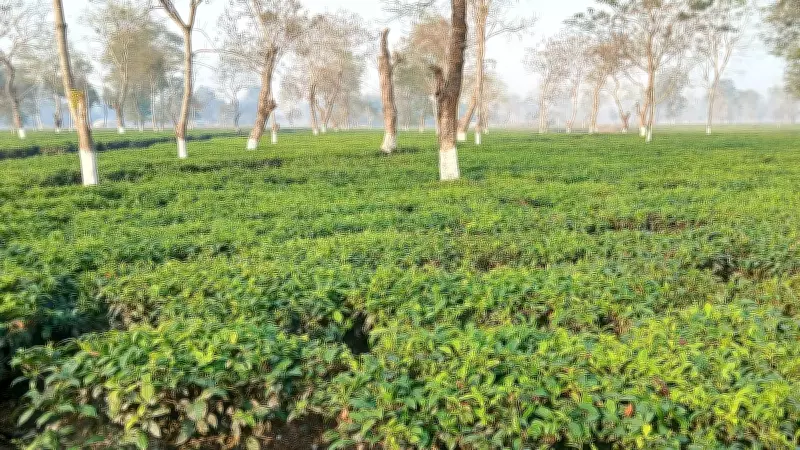
Assam Tea Industry Faces Potential Export Disruption Amid Geopolitical Tensions
Tea traders and stakeholders in Assam are grappling with mounting concerns over a possible halt in exports, triggered by Iran's recent closure of the strategic Strait of Hormuz. This critical maritime chokepoint, a vital route for global trade, has become a focal point of anxiety for the region's tea industry, which heavily relies on international markets.
Immediate Price Impact Deemed Unlikely Despite Export Fears
Dinesh Bihani, Secretary of the Guwahati Tea Auction Buyers Association, provided a nuanced perspective on the situation. He indicated that while the threat to exports is real and concerning, an immediate slump in tea prices is improbable. This assessment is based on the current timing within the agricultural cycle, as the tea production season in Assam has not yet commenced. The delay in production means that existing stockpiles and market dynamics may buffer against sudden price fluctuations in the short term.
However, Bihani emphasized that the long-term implications could be severe if the Strait remains closed or if tensions escalate. The Strait of Hormuz serves as a crucial gateway for oil and commodity shipments, including tea exports from India to various international destinations. Any prolonged disruption could lead to logistical nightmares, increased shipping costs, and potential losses for Assam's tea growers and exporters.

Broader Context and Industry Response
The closure by Iran adds to a series of challenges faced by the Assam tea sector, which is already navigating issues such as climate change, labor costs, and competitive global markets. Traders are now closely monitoring geopolitical developments and exploring alternative shipping routes, though options are limited and often more expensive.
Industry experts warn that a sustained closure could force a reevaluation of export strategies and supply chains. This situation underscores the vulnerability of agricultural exports to international political events, highlighting the need for diversified trade routes and robust contingency planning.
As of now, stakeholders are adopting a wait-and-watch approach, hoping for a swift resolution to the Strait of Hormuz issue to avert a full-blown crisis in one of India's key tea-producing regions.






