

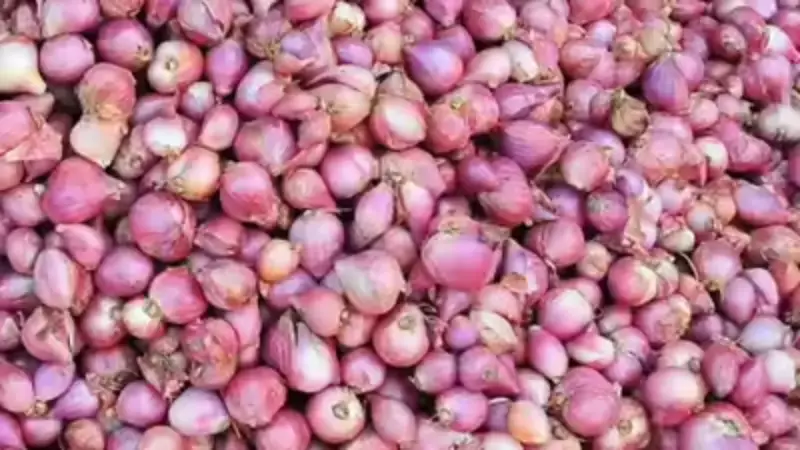
In a move aimed at safeguarding its domestic agricultural sector, Bangladesh has decided to stop issuing fresh permits for importing onions from India through the crucial Hili land port. The decision, which authorities attribute to protecting the interests of local farmers, comes despite India being a significant supplier, shipping around 10 lakh tonnes of the essential vegetable to its eastern neighbour.
Details of the Import Restriction
Officials confirmed that the restriction applies specifically to new import permits. However, shipments under licenses that were approved before this decision will be allowed to continue. Reports from Bangladesh indicate that these previously sanctioned imports can proceed until January 30.
An Indian official, commenting on the development, expressed confidence in the global demand for Indian onions. "We expect onion will find more takers in the international market because of its quality," the official stated, highlighting that Indian onions continue to be in high demand in other countries beyond Bangladesh.

Impact on Indian Market and Farmer Sentiment
The news arrives at a time when the domestic onion market in India is experiencing a shift. Jaydutt Holkar, a director at the Lasalgaon Agricultural Produce Market Committee (APMC) in Nashik, explained to TOI that wholesale prices have seen a decline recently. This drop is primarily due to increased arrivals of the fresh crop in the markets.
Holkar also pointed to the competitive global landscape, urging government intervention to support exporters. "Government should provide subsidy for exporters so we can compete with Pakistan and China," he said. This call for subsidies underscores the challenges Indian onion exporters face in maintaining their market share against other major producing nations.
Looking Ahead for Indian Onion Exports
While the immediate market with Bangladesh faces a hurdle, the focus for Indian traders may shift to other international buyers. The quality of Indian onions remains a key selling point. The situation underscores the volatile nature of agricultural trade and the delicate balance between supporting domestic farmers in importing nations and maintaining export revenues for producing countries like India.
The coming weeks will be crucial to observe how Indian exporters adapt to this change and whether the government considers measures, such as the subsidies suggested by market representatives, to bolster the competitiveness of Indian onions on the world stage.






