Bhubaneswar Tea Vendors Forced to Adopt Electric Stoves Amid Severe LPG Shortage
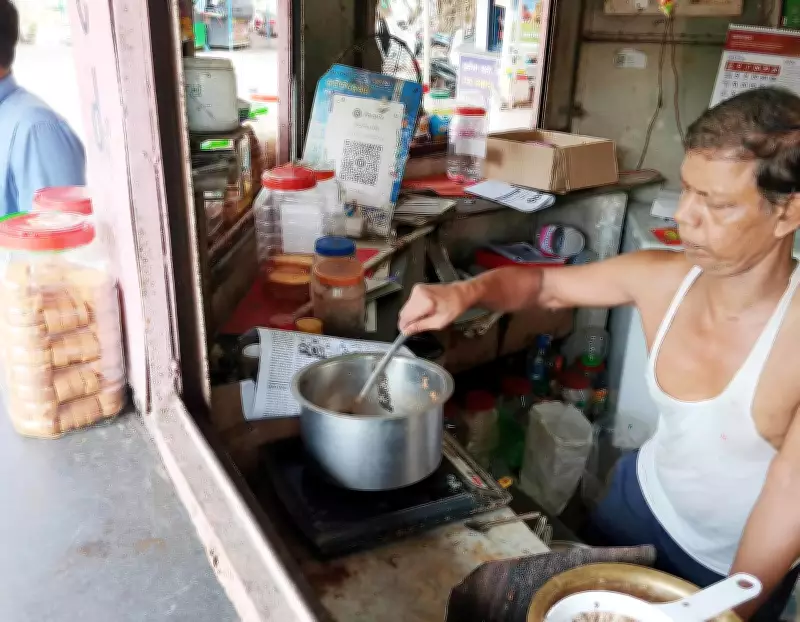
In a dramatic shift driven by survival instincts, hundreds of OMFED parlours and independent tea kiosks across Bhubaneswar have begun transitioning to electric stoves. This move comes as an ongoing LPG shortage, triggered by the escalating West Asia conflict, continues to severely disrupt daily business operations and threaten livelihoods.
Desperate Measures for Daily Survival
Tea stall owners, who typically consume at least one LPG cylinder every week, report being left with no viable alternatives to keep their businesses afloat. With LPG refills now taking over a month to arrive through official channels, the crisis has forced many popular outlets to nearly double the price of a simple cup of tea, leaving regular customers increasingly frustrated and financially strained.
"We cannot operate our shop without fuel, and LPG has simply become unavailable," explained Bulu Mohanty, an OMFED parlour operator at Laxmi Vihar. "Electric stoves are considerably slower, but they at least allow us to continue serving tea to our customers. Previously, I used one cylinder every six days. Now it has been fifteen days since my last refill request was submitted. Switching to electric power was the only remaining option."

Practical Challenges for Small Food Stalls
However, for small roadside tiffin stalls selling items like samosa, bara, and aloo chop, the transition to electricity presents significant practical difficulties. Many vendors have instead reverted to using traditional charcoal stoves, despite having abandoned them years ago due to convenience issues, smoke-related health concerns, and restrictions imposed by local civic authorities.
"For frying food items, electric stoves are essentially useless," stated Sabitri Das, who operates a small tiffin stall in Old Town. "They take far too long to heat up, and the temperature simply isn't sufficient for proper cooking. We have shifted back to charcoal. It is much harder to manage, especially after all those years of easy gas-based cooking, but at least we can prepare food and continue our business operations."
Customer Frustration Over Soaring Prices
Customers are bearing the direct brunt of this crisis, particularly at outlets that still manage to use LPG but have implemented substantial price increases. "I used to purchase a cup of tea for just Rs 10. Now it costs Rs 18 or even Rs 20 at some shops," complained Bhabani Pradhan, a daily commuter. "Every vendor is raising prices and blaming the gas crisis, which is understandable, but it significantly hurts our daily budgets."
Some vendors acknowledge the price hikes but emphasize their lack of alternatives. "Cylinders are arriving at a premium through unofficial channels," said Prakash Rout, who owns a tea point in Mancheswar Industrial Estate. "We are barely managing to keep the shop operational. If we do not increase prices, we simply cannot survive this prolonged shortage."
Noticeable Changes in Tea Quality
Customers have also noted a slight alteration in the taste of tea prepared on electric stoves, though many express appreciation for vendors' efforts to maintain service despite the challenges. "I can detect a subtle change in the tea's flavour," observed Deepa Mohanty, a regular customer at an OMFED tea outlet near Master Canteen Square. "But I fully understand they are doing their absolute best during this unprecedented crisis."
The widespread adoption of electric stoves and charcoal alternatives highlights the severe impact of global conflicts on local economies and daily life. As the West Asia situation continues to disrupt supply chains, Bhubaneswar's small business owners demonstrate remarkable resilience while navigating these extraordinary circumstances.